
The 80 20 Decluttering Rule: How to Clear Space by Focusing on What You Actually Use
Kitchen drawers jammed with utensils, bedroom closets packed shoulder to shoulder, bathroom cabinets holding half-used bottles, paper stacks spreading across desks and counters. This article is a practical how-to guide for applying the 80 20 decluttering rule inside real rooms with limited time, shared storage, and mixed-use items. It focuses on physical objects, not mindset shifts or lifestyle overhauls.
The scope here is intentionally narrow. This is not a whole-house purge, a minimalist challenge, or a system that requires buying containers. The goal is to use the 80 20 decluttering rule to identify which items earn their space and which quietly create friction. Each section handles one concrete decision point so you can stop at any point without feeling behind.
The 80 20 decluttering rule works because most homes already show it in action: a small percentage of items get used repeatedly, while the rest sit untouched in drawers, closets, and cabinets. This guide shows how to locate that imbalance room by room and reduce it without making the task bigger than it needs to be.
What the 80 20 Decluttering Rule Actually Means in a Home
Open a kitchen drawer and pull out the same spatula you always use. Reach into a closet and grab the same jacket. The 80 20 decluttering rule describes this pattern in physical terms: roughly 20 percent of your items handle about 80 percent of daily use.
In a home, this rule shows up in repeated reach behavior. The same mug comes out every morning. The same pen sits on top of a pile. The same shoes stay by the door. This section is about noticing those patterns, not judging the items that don’t get chosen.
Using the 80 20 decluttering rule does not mean counting every object or forcing an exact ratio. It means identifying which items actively support daily routines and which ones simply occupy space. The rule is a filter, not a mandate.
Start by observing use, not storage. Which items are already easy to reach? Which ones get moved out of the way? The answers are visible without sorting anything yet. This keeps the task small and grounded.
If an item hasn’t been touched during normal weeks, it’s likely part of the 80 percent that isn’t carrying its weight. That doesn’t mean it must leave immediately. It means it no longer deserves prime space. This distinction keeps the process calm and reversible.
Starting With One Drawer, Not the Whole Room
Choose a drawer that sticks, overflows, or requires rearranging just to close. This guide applies the 80 20 decluttering rule to a single container, not an entire room. Limiting the scope prevents fatigue and keeps decisions clear.
Empty the drawer onto the nearby counter or table. This is temporary. You are not creating piles around the house. You’re isolating one small set of objects so patterns are easier to see.
Notice which items you reach for first when the drawer is in use. Those are the core 20 percent. Set them aside together. You’re not sorting by category or value yet—only by frequency of use.
Now look at what remains. These are items that share space but not function. Some may be backups, duplicates, or tools meant for rare tasks. This is where the rule helps reduce friction without forcing disposal.
Return the frequently used items to the drawer first, placing them where your hand naturally goes. Only then decide how much space is left. The remaining items must fit around the core group, not the other way around.
If space runs out, you’ve found your limit. Items that don’t fit are not failures; they are candidates for secondary storage or release. Stop once the drawer closes easily.
Using the Rule to Reduce Closet Overcrowding
Closets show the 80 20 decluttering rule clearly because wear patterns are visible. The same clothes come back to the front of the rod. The same shoes land on the floor. This section addresses clothing you already own, not seasonal swaps or capsule wardrobes.
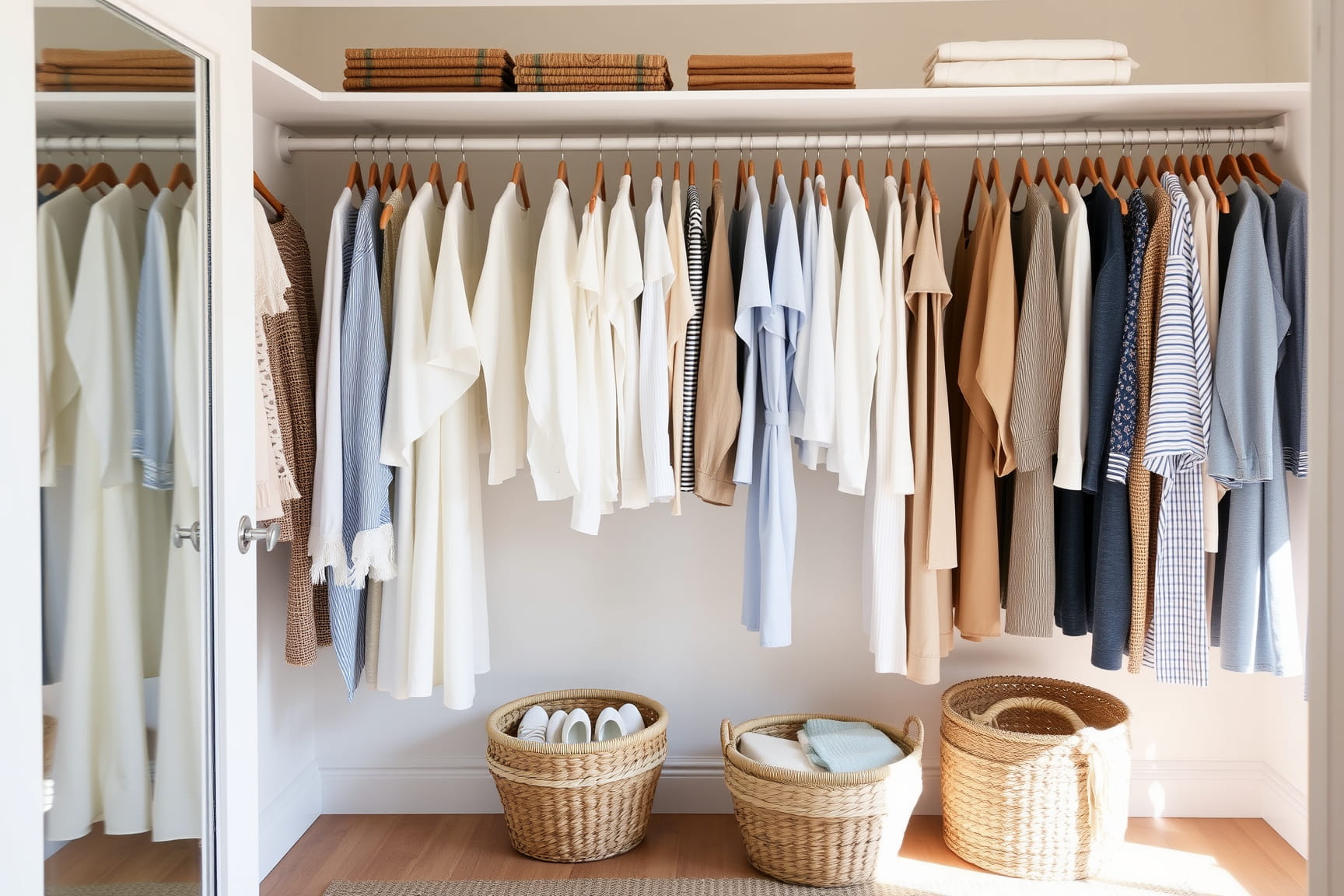
Stand in front of the closet and slide aside what’s blocking access. Which items are already forward-facing? Those are your active 20 percent. They earn the easiest access because they already support daily routines.
Pull out items that haven’t moved in weeks. These make up much of the unused 80 percent. You don’t need to decide their final fate yet. Simply separate them from the frequently worn group.
Return the worn items to the closet with breathing room between hangers. Space is the signal here. If everything fits comfortably, stop. The rule has already done its job.
If the closet still feels packed, remove one additional layer: duplicates that serve the same role. Keep the one you reach for first. The rest no longer need prime space.
Unused items can be stored elsewhere or evaluated later. The success point is not a perfect closet. It’s reaching your clothes without resistance.
Applying the 80 20 Decluttering Rule to Paper Piles
Paper piles collect on desks, counters, and dining tables because they mix action items with inactive material. The 80 20 decluttering rule helps separate what needs attention from what is simply present.
Gather one paper pile only. Do not roam the house collecting more. Place the stack flat on a clear surface so every sheet is visible.
Identify papers that are currently active: bills due, forms needing signatures, notes tied to this week. These usually make up a small portion of the stack. Place them together.
The remaining papers often include expired notices, old instructions, and information already stored digitally or remembered. These form the inactive majority.
Return the active papers to a single, defined spot—one folder or tray. This is their working home. If there are too many, narrow further to what must be handled first.
Recycle or file the inactive papers immediately if possible. If not, box them as “review later” and move them out of sight. The pile shrinks because function, not volume, drove the decision.
When the Rule Helps You Stop Instead of Do More
One overlooked benefit of the 80 20 decluttering rule is that it creates a natural stopping point. Once the most-used items are accessible and the space functions smoothly, the job is complete for now.
This section applies to cabinets, bins, and shared storage where perfection isn’t required. If the door closes, items are reachable, and nothing spills out, the rule has been applied successfully.
Avoid chasing the remaining 80 percent once the space works. That effort often creates new piles or fatigue. The rule is meant to reduce friction, not eliminate every unused item in one pass.
Stopping early is not avoidance. It’s containment. The space now reflects actual use rather than idealized ownership.
You can return later with fresh energy if needed. For now, the container serves its purpose. That is enough to move on without guilt or escalation.
Handling Kitchen Cabinets Without Pulling Everything Out
Kitchen cabinets tend to hold a mix of daily dishes, specialty tools, and items kept “just in case.” This section applies the 80 20 decluttering rule without requiring a full cabinet empty-out, which often creates more disruption than relief.
Open one cabinet and leave everything inside. Notice which items are already positioned at the front or on the easiest-to-reach shelf. Plates you grab daily, the pan you always cook with, the mug you reach for first—these form the active 20 percent.
Shift those items slightly forward and group them together. You are not reorganizing the cabinet; you are clarifying priority. This small movement often exposes what sits behind them untouched.
Look at the items now blocked from easy reach. Ask one practical question: when was the last time this came out during a normal week? If the answer isn’t clear, it belongs to the less-used group.
You don’t need to decide where those items go yet. Simply acknowledge that they don’t need prime placement. If space allows, keep them in the cabinet but higher, lower, or farther back.
If space doesn’t allow, remove only what prevents the cabinet from functioning smoothly. Stop once doors close easily and daily items are accessible.
The Rule Applied to Bathroom Storage
Bathroom cabinets and drawers often contain duplicates, samples, and half-used products mixed with daily essentials. The 80 20 decluttering rule helps separate what supports daily routines from what quietly accumulates.
Open one drawer or cabinet. Identify the items you use every morning or evening. Toothpaste, a specific moisturizer, a razor. These are the core items that need clear access.
Pull those items forward and place them together. This step alone often makes the space feel calmer without discarding anything.
Now look at what remains. These are often backups, trial sizes, or products meant for occasional use. They form the larger, inactive portion.
Decide whether the space comfortably holds both groups. If it does, stop. The rule has been applied. If it doesn’t, reduce duplicates first. Keep one backup, not three.
Expired or empty products can leave immediately if you’re ready. If not, place them in a small bag under the sink to deal with later. The goal is not a perfect cabinet, just one that opens without resistance.
Managing Shared Spaces With Different Use Patterns
Shared spaces like entryways, living rooms, or hall closets reflect multiple habits at once. The 80 20 decluttering rule still applies, but it must be used with visible fairness.
Choose one shared surface or container. A shoe rack, a coat hook row, or a basket by the door. Observe which items are used by most people most days.
These items form the shared 20 percent. They deserve the most accessible spots. Assign those locations clearly so daily routines don’t require negotiation.
The remaining items may belong to specific people or specific activities. These don’t need to disappear; they just don’t need shared prime space.
Move less-used items to secondary locations nearby. A higher hook, a back shelf, a labeled bin. This keeps access available without crowding the shared zone.
Avoid labeling this as decluttering to others in the household. Frame it as making room for what’s already being used. Stop once the shared area functions without pileups.
When Sentimental Items Fall Into the 80 Percent
Sentimental items often sit unused but feel different from ordinary clutter. The 80 20 decluttering rule doesn’t force decisions about meaning; it clarifies placement.
Choose one container holding sentimental items. A memory box, a shelf, or a drawer. Identify which items you actually look at or handle.
Those items are the active 20 percent. They deserve a place where they can be seen or accessed easily, not buried.
The remaining items may still matter, but they don’t need frequent interaction. Acknowledge that without judgment.
Reduce friction by giving these items a defined boundary. One box, one shelf. If they fit, stop. If not, choose which items earn visibility and which stay stored.
This approach avoids emotional overload because it doesn’t ask you to rank importance. It asks only where each item belongs based on real interaction.
Using the Rule to Prevent Re-Cluttering
The 80 20 decluttering rule isn’t just for clearing spaces; it helps maintain them. This section focuses on preventing slow buildup after you’ve already improved access.
Once a drawer, cabinet, or surface works smoothly, notice how new items enter. Most re-cluttering happens when the inactive 80 percent grows unnoticed.
Designate a small “incoming” area within the space. One corner of a drawer, one spot on a shelf. This keeps additions visible.
Periodically compare new items to the active group. If something doesn’t get used, it doesn’t migrate forward. It stays contained.
You don’t need regular purge sessions. The rule acts as a quiet gatekeeper, preserving space for what earns it.
Stop once the space maintains itself with minimal effort. That’s the signal the rule is working.
Storage Bins That Hide More Than They Hold
Opaque bins in closets, garages, and under beds often become holding zones for the unused 80 percent. This section applies the 80 20 decluttering rule to one bin at a time so it doesn’t turn into a house-wide sorting project.
Pull out a single bin and place it where you can see inside. Open it fully. Notice which items you recognize immediately and could retrieve without digging. Those are usually the items you’ve accessed before.
Set those familiar items aside as the active group. They represent the portion of the bin that has actually earned its storage space through use or retrieval.
Now look at what remains. These items often require explanation: forgotten supplies, old projects, duplicates. This is where bins quietly collect volume without function.
Decide whether the bin still needs to exist in its current size. Often, the active items fit into a smaller container or a different location entirely.
If you keep the bin, return the active items first. Only then decide which remaining items truly need to stay together. Anything that doesn’t fit comfortably is a candidate for a different home or release.
Stop once the bin closes easily and you can name what’s inside without reopening it.
Kids’ Items Without Turning It Into a Purge
Children’s toys, books, and supplies cycle quickly, which makes them ideal for the 80 20 decluttering rule. This section focuses on use patterns, not age limits or emotional pressure.
Choose one toy bin, shelf, or drawer. Watch what gets pulled out during normal days. Those items form the active 20 percent.
Remove everything from that container briefly and return only the items that are actually played with. These go back first, spaced so they’re easy to grab and put away.
The remaining items often include forgotten toys, incomplete sets, or things kept out of habit. They don’t need immediate decisions.
If the active toys fill the container comfortably, stop. The space now supports play without overflow.
If there’s room left, add a small selection from the inactive group. Not all of it. Just enough to fill the space without crowding.
Store the rest elsewhere or rotate later if needed. The success point is a container a child can manage without dumping everything out.
Hobby Supplies That Stall Instead of Support
Hobby supplies often live in drawers, boxes, or shelves long after the activity has stopped. The 80 20 decluttering rule helps separate active interest from stalled intention.
Open one container tied to a specific hobby. Art supplies, craft tools, sports gear. Identify what you’ve used in the past month or season.
Those items form the active group. They deserve easy access because they still support real behavior.
The remaining supplies often represent projects that never started or interests that paused. This doesn’t make them useless, but it does affect where they belong.
Return the active items to the container first. If they fill most of it, the decision is done. If not, choose which inactive items truly justify staying grouped.
Avoid planning future projects here. This is about current use, not potential. Anything that doesn’t fit comfortably becomes optional.
Stop once the container reflects what you actually do, not what you meant to do.
Laundry Areas That Accumulate Extras
Laundry rooms and closets collect stray items: cleaning supplies, mismatched socks, old towels. The 80 20 decluttering rule brings function back to this utility space.
Focus on one shelf or cabinet. Identify what you use every week: detergent, stain remover, a basket. These are the active items.
Move them forward and group them together. This clears visual noise and reveals what’s been sitting untouched.
Extras often include specialty products, worn linens, or supplies bought in bulk. Decide how many backups are reasonable for your space.
Return only what fits without stacking or blocking access. Items that don’t fit are not urgent problems; they simply don’t belong in prime space.
If towels or linens are part of the issue, keep only what cycles regularly through use. Store or release the rest later.
Stop once laundry tasks can be done without moving piles out of the way.
Knowing When the Rule Has Done Enough
This final section is about recognizing completion without pushing further. The 80 20 decluttering rule works when a space supports use, not when it looks empty.
Check the space you just worked on. Can you reach what you need without shifting other items? Does the container close easily? Can you name what’s inside?
If the answer is yes, the rule has been applied successfully. Continuing may reduce comfort rather than improve it.
Avoid scanning nearby spaces for “just one more thing.” That urge often leads to fatigue or unfinished piles.
The rule is meant to stabilize, not exhaust. Each application stands alone and doesn’t require momentum.
You can return another day to a different space using the same approach. For now, the task is complete.
Pause here. The space will tell you if more is needed later.