
Capsule Wardrobe Options: Practical Ways to Build a Smaller Closet Without Starting Over
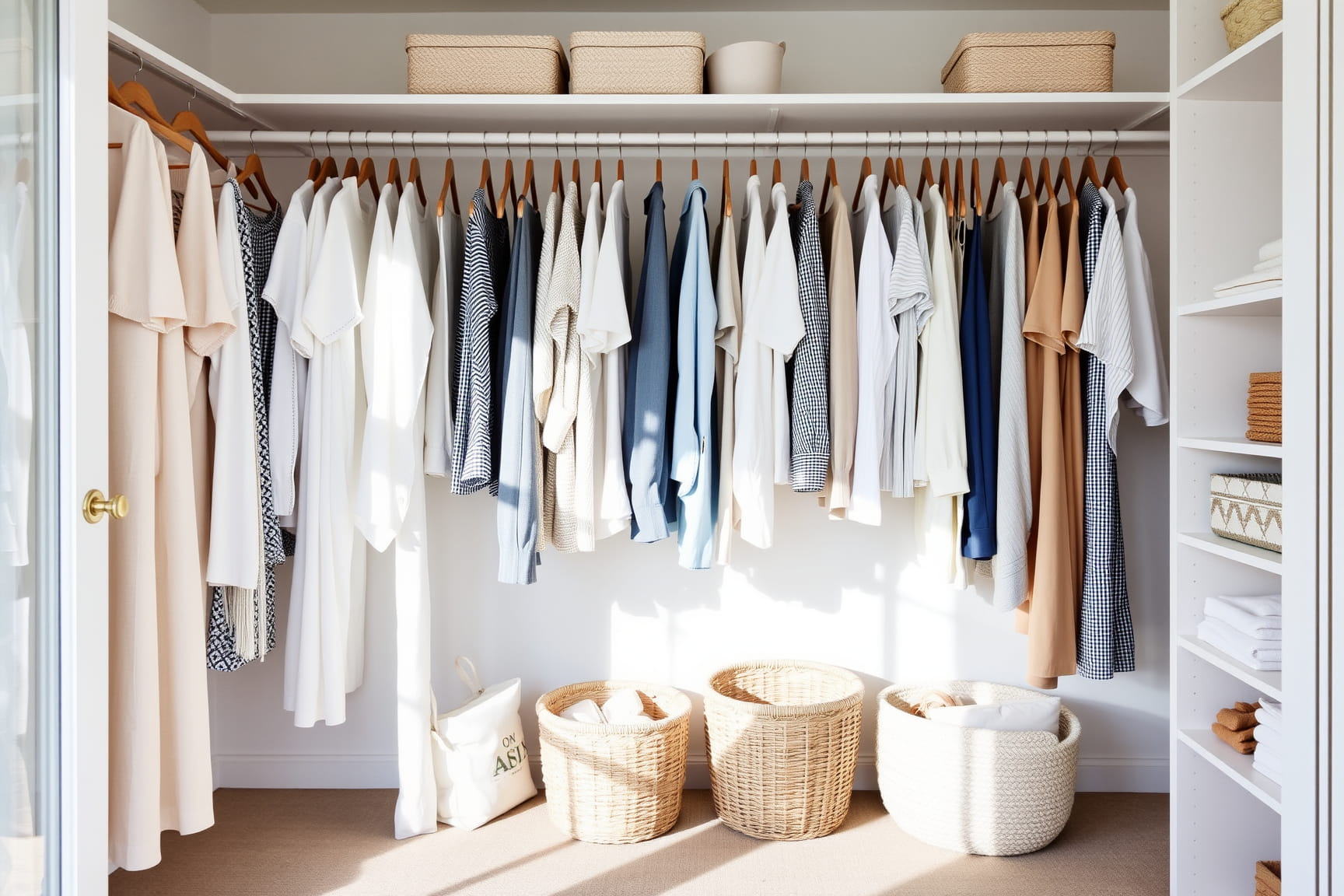
Closet rods crowded with mixed hangers, drawers holding shirts you don’t reach for, and shelves stacked with folded items that slide out of view—this article works inside those exact conditions. This is a practical guide to capsule wardrobe options, not a makeover story or a philosophy shift. The scope is limited to physical clothing decisions inside a real closet or dresser, with limited time, shared space, and some reluctance to discard items.
You won’t be asked to empty your entire wardrobe or define a personal style. Each section addresses one concrete way to reduce what’s in front of you while keeping daily dressing functional. The goal is fewer decisions, clearer storage, and clothing you can actually see and use. Nothing here requires shopping, color theory, or a seasonal reset unless you choose it later.
Starting With What’s Already on the Hangers
Begin at the closet rod, not the dresser or the laundry basket. This capsule wardrobe option focuses only on hanging clothes you already own. Shirts, jackets, dresses, and pants on hangers are visible and easiest to assess without unfolding anything.
Stand in front of the rod and slide everything to one side. Then, move back only the items you actively wear during a normal week. Not what fits in theory, not what might work later—just the pieces you reach for without thinking. Stop once you have enough for regular rotation.
This is not about counting items or limiting colors. It’s about creating a working capsule directly on the rod. The remaining clothes stay on hangers, pushed to the far end. You are not deciding their fate yet.
This option works well when decision fatigue is high. You’re not sorting into piles or removing items from the closet. You’re creating a visible “yes” zone that supports daily dressing.
Once the active section is defined, spacing becomes obvious. You’ll see which items crowd each other and which combinations repeat. That information matters more than rules.
You can stop here. A capsule that exists as a section of your rod already reduces friction without requiring a full closet overhaul.
Drawer-Based Capsule Wardrobe Options for Folded Clothes
Dressers often hide excess better than closets. Socks, t-shirts, leggings, and sleepwear compress easily, making drawers feel manageable even when they aren’t. This capsule option works one drawer at a time.
Open a single drawer and remove everything. Place the contents back inside only until the drawer closes easily without pushing. That capacity—not preference—sets the capsule limit. The pieces that fit comfortably are your active set.
This method avoids style decisions entirely. The boundary is physical. If the drawer jams or bulges, something comes out. You’re not judging usefulness, just respecting space.
For shared dressers or tight bedrooms, this option is especially effective. Each drawer becomes its own container with a clear stop point. No labels are needed.
The items that don’t fit can be folded and stored elsewhere temporarily, but they’re no longer competing for daily access. Most people find that the drawer capsule naturally reflects what they wear anyway.
You now have a functional capsule without touching hanging clothes or making outfit plans. One drawer resolved is enough for now.
Workwear-Only Capsule Options for Busy Weeks
This capsule wardrobe option applies only to clothes worn for work, school, or structured daily obligations. Start with the area where these items already live—often one side of the closet or a specific section of the dresser.
Pull out only work-related clothing and lay it on the bed. Shoes and accessories stay out of scope. From this group, rebuild a set that covers a normal week plus one extra day. That’s it.
This approach is useful when mornings feel rushed and decision-heavy. By narrowing choices to a small, reliable set, you reduce weekday friction without touching casual or weekend clothes.
Hang or fold this work capsule together, separate from everything else. Physical grouping matters. When pieces are mixed back in, the benefit disappears.
Anything not included is not a problem to solve today. It simply moves out of the prime zone. You’re creating a dependable core, not a perfect wardrobe.
Once the work capsule is stable, daily dressing becomes faster even if the rest of the closet stays unchanged.
Seasonal Capsule Options Without Full Swaps
Seasonal capsules often fail because they require empty closets and storage bins. This option avoids that. It works inside the current season only.
Stand at the closet and identify items clearly out of season—heavy coats in summer, linen shorts in winter. Move them to the far end of the rod or the bottom drawer. They stay in the same room.
Now, look only at the in-season items left in the active zone. From those, build a smaller set you actually rotate through. This becomes your seasonal capsule.
You’re not packing anything away or labeling bins. You’re just reducing visual noise. The out-of-season clothes are still accessible but no longer part of daily decisions.
This option suits limited storage homes where off-site or under-bed storage isn’t realistic. The capsule exists through placement, not removal.
If the season changes, the zones shift. No full reset is required.
Capsule Options Built Around Laundry Cycles
This final option anchors the capsule to your laundry rhythm. Count how often you realistically do laundry—weekly, biweekly, or irregularly. Then build a clothing set that carries you through that span.
Start with underwear, socks, and base layers. Lay out enough for one laundry cycle plus two extras. That’s your baseline capsule.
Next, add tops and bottoms that pair easily with those base items. You’ll notice repetition quickly. That’s the point.
This method limits overflow because it’s tied to maintenance, not taste. If you own more than you can wash and store comfortably between cycles, the excess becomes obvious.
This capsule option is especially helpful for households sharing machines or dealing with limited laundry access. It keeps clothing volume aligned with reality.
Once the cycle works smoothly, you don’t need to adjust further. The system supports itself.

Capsule Wardrobe Options for Shared Closets
Shared closets introduce a different constraint: your clothing competes with someone else’s. This capsule wardrobe option works by defining physical boundaries instead of negotiating preferences.
Start by identifying your exact allotment—one rod section, one shelf, one drawer stack. Do not expand beyond what is already assigned. That boundary becomes the container for your capsule.
Within that space, remove items until everything fits without crowding. Hangers should slide freely. Folded stacks should stay upright when the drawer opens. The pieces that remain form your capsule by default.
This option reduces friction because it avoids comparison. You are not deciding what you deserve or what you should keep—only what fits inside your space. The container does the deciding.
If overflow exists, place excess items in a temporary bin outside the closet. They are not discarded or donated yet. They’re simply no longer in daily circulation.
Shared closets often fail when boundaries blur. This capsule restores clarity without requiring a conversation or a full reorganization.
Once your section functions smoothly, stop. A capsule that respects shared space is already doing its job.
Low-Effort Capsule Options for Clothing You Avoid
Every closet contains clothes you technically wear but consistently avoid—items that require adjustments, layering, or extra thought. This capsule option removes those without forcing a decision.
Stand in front of the closet and identify the clothes you reach past. Not disliked items—ignored ones. Pull them forward and hang them together at the end of the rod.
Now build your capsule from what remains visible and easy to grab. These are the pieces that support low-effort dressing.
You’re not labeling the avoided items as mistakes. You’re just acknowledging friction. Clothing that adds friction doesn’t belong in an everyday capsule.
This option is useful when mornings feel rushed or when energy is limited. The capsule becomes a collection of low-resistance choices.
The avoided items can stay grouped for later review or seasonal shifts. For now, they’re out of the decision stream.
If getting dressed feels easier immediately, the capsule is working. No further steps are required.
Capsule Options Based on Outfit Repeats
Some people rotate outfits rather than individual pieces. This capsule wardrobe option starts there.
Think about the combinations you wear repeatedly—same pants, same top, same layer. Pull those items and group them together.
Now check how many complete outfits you actually rely on. Most people cycle through fewer than expected. Those outfits become your capsule.
Hang or fold these items together so they’re accessed as a set. This reduces the need to recombine pieces daily.
This option avoids overthinking versatility. If the outfit already works, it earns its place.
The rest of the clothing stays put but outside the prime zone. You’re not optimizing—you’re preserving what already functions.
Outfit-based capsules are especially helpful when style consistency matters less than speed and reliability.
Once the repeats are clear, stop adjusting. The capsule reflects real behavior, not intention.
Capsule Options That Protect “In-Between” Sizes
Weight changes, body shifts, and fit fluctuations complicate wardrobe decisions. This capsule option allows for that without overcrowding.
Designate one small area—a single shelf or drawer—for in-between sizes. That space is fixed and limited.
Within the main closet or dresser, build your capsule using only clothes that fit comfortably right now. These are your active pieces.
The in-between items are not judged or discarded. They’re simply not part of daily dressing. The physical separation matters.
This option reduces frustration because it prevents constant try-ons and second-guessing. The capsule reflects your current body, not future plans.
When fit changes, the roles can swap. The structure stays the same.
This approach works well for people who avoid capsule wardrobes because of size uncertainty. The system allows flexibility without chaos.
Once the spaces are defined, you’re done. No further sorting is needed.
Capsule Options Anchored to Shoes
Shoes quietly limit what you actually wear. This capsule option starts at the floor.
Pull out the shoes you wear regularly. Ignore special-occasion pairs. Line up the everyday shoes only.
Now look at which clothes pair with those shoes comfortably. Build your capsule from those items.
This method naturally narrows options without strict rules. If a piece requires shoes you never choose, it falls outside the capsule.
This option is practical for climates, workplaces, or lifestyles where footwear dictates function.
Hang or fold the shoe-compatible clothes together. The rest move back but stay secondary.
You’re not removing variety—you’re aligning it with what you already use.
If outfits feel more cohesive immediately, the capsule has done enough. Stop here.
Capsule Wardrobe Options for Clothes That Require Special Care
Some clothes stay unworn because they demand extra effort—hand wash, air dry, ironing, dry cleaning. This capsule option separates those demands from everyday dressing.
Identify the items in your closet that require special care. Pull them forward and group them together, regardless of category. Do not decide whether to keep them yet.
Now build your capsule only from machine-washable, low-maintenance clothing. These are the pieces that support regular wear without planning ahead.
This option reduces laundry-related avoidance. When all active clothes can be cleaned the same way, rotation becomes simpler and more predictable.
The special-care items are not removed from your home. They’re just excluded from daily reliance. You can wear them intentionally when time allows.
This approach works well for households with shared laundry schedules or limited access to machines. It aligns clothing volume with maintenance capacity.
If getting dressed and doing laundry both feel lighter, the capsule is functioning as intended. You can stop without revisiting the special-care group.
Color-Neutral Capsule Options Without Palette Planning
This capsule wardrobe option avoids color theory entirely. It’s based on visual calm.
Stand at your closet and notice which colors dominate your view. These are the shades you already default to. Build your capsule using only those visible colors.
Move brighter, louder, or harder-to-match pieces to a secondary zone. You’re not eliminating them—just reducing visual competition.
This option works because repetition lowers decision load. When most items visually align, combinations happen naturally.
There’s no need to define a palette or count hues. The capsule reflects what already clusters together.
This method is especially helpful for people overwhelmed by busy closets. Reducing visual contrast often brings immediate relief.
The secondary colors remain available for specific moods or events. They’re simply not part of the everyday core.
Once the main view feels calmer, stop adjusting. That visual ease is the capsule doing its work.
Capsule Options for Clothes With Emotional Weight
Some clothing holds memories—gifts, past roles, previous versions of yourself. This capsule option respects that without letting emotion dominate daily space.
Choose one container—a box, bin, or shelf—for emotionally weighted clothing. The size is fixed.
Now build your capsule only from emotionally neutral items: clothes you wear for function, comfort, or routine.
This separation allows you to get dressed without emotional negotiation. The capsule supports the present moment.
The sentimental clothes are not hidden or discarded. They’re just removed from the daily decision stream.
This option is useful when closets feel heavy or when getting dressed triggers reflection you don’t have time for.
You can visit the sentimental container intentionally, not accidentally.
If daily dressing feels more straightforward afterward, the capsule has achieved its purpose. No further processing is required.
Capsule Wardrobe Options for Minimal Storage Homes
Small apartments, dorm rooms, and shared houses often lack surplus storage. This capsule option works entirely within visible space.
Identify every place clothing lives: closet rod, dresser top, shelves, hooks. These are your only containers.
Build your capsule by filling each container only to comfortable capacity. No stacking beyond stability. No doubling hangers.
This option uses physical limits to prevent overflow. When space ends, the capsule ends.
Clothes that don’t fit within these limits move to a single overflow bag. That bag stays closed unless needed.
This method reduces constant reshuffling. Everything has a defined home.
For minimal storage homes, this capsule creates sustainability. You can maintain it without extra bins or furniture.
Once all containers function smoothly, stop. The system is complete as-is.
Capsule Options That Allow for Variety Without Expansion
Some people resist capsules because they fear boredom. This option builds variety into a controlled frame.
Choose one category where you allow excess—tops, accessories, or layers. That category gets a slightly larger container.
All other categories remain tightly capped by space.
Your capsule centers on the constrained categories, while the flexible one provides change.
This option prevents total restriction while keeping volume manageable. Variety exists, but it’s localized.
It works well for creative dressers or those whose moods shift frequently.
By isolating variety, the rest of the wardrobe stays predictable.
If the closet feels both interesting and contained, the balance is right. No additional adjustments are needed.