
Clutter Free Home: A Practical, Room-By-Room Guide to Clearing What’s Piled, Mixed, and Unused
Paper stacks on the dining table. Overfilled drawers that catch when you open them. Cabinets where containers, lids, and tools are mixed together without clear purpose. This article is a practical, step-by-step guide to creating a clutter free home by working through real household surfaces and storage areas as they exist right now.
This is not a full-house overhaul or a lifestyle reset. It focuses on contained spaces, limited time, shared rooms, and the reality of decision fatigue. Each section addresses one physical area or category and resolves one concrete problem before moving on.
The goal here is simple: reduce what’s piled, mixed, or unused so daily tasks require fewer decisions. You can stop after any section without breaking the process. Each part stands on its own and leaves you with a usable result.
Clearing Flat Surfaces Without Creating New Piles
Kitchen counters, entry tables, desks, and dressers collect objects because they are convenient drop zones. Mail lands there. Keys stay there. Half-used items pause there “for now.” This section is about clearing those flat surfaces without shifting the clutter into new stacks elsewhere.
Start by clearing one surface completely. Everything comes off, even items that “belong” there. Wipe the surface so it is visually reset. This matters more than it sounds; a clean surface changes how you evaluate what returns.
Sort what you removed into three small groups right next to the surface: daily-use items, occasional-use items, and items with no clear home. Daily-use items earn the right to return, but only if they are used on that surface. A coffee maker belongs on the counter; unopened mail does not.
Occasional-use items leave the surface immediately. Place them in the nearest appropriate cabinet or drawer, even if it isn’t perfect. Items with no clear home are the real clutter drivers. Do not solve them now. Place them in a single temporary container.
Return only what passed the test. Stop there. A clear surface that stays clear is more valuable than a perfect storage decision made later.
Sorting Drawers That Jam, Catch, or Overflow
Drawers fail quietly. They stick. They won’t close fully. Items slide and tangle inside. This section addresses one drawer at a time, not entire rooms of storage.
Open the drawer and remove everything. Place the contents on the nearest flat surface. Check the drawer itself. If it contains liners, broken organizers, or loose debris, clear those first.
Group the items by function, not by category labels. Pens with pens. Utensils with utensils. Cords with cords. This reveals duplicates and dead items quickly. Anything broken, dried out, or missing a critical part can leave immediately.
Before returning items, reduce volume. A drawer that was hard to open was telling you something. Choose the amount that fits comfortably, not the amount you own. Extra items move to a backup location or exit the house.
If you use dividers, use fewer than you think you need. Empty space is functional. Return items so each group has room to be accessed without lifting or digging.
Close the drawer. Open it again. If it opens smoothly and you can see what’s inside, you are done.
Containing Cabinets Without Over-Organizing Them
Cabinets hide clutter better than drawers, which makes them easier to overload. This section focuses on restoring basic containment without adding complex systems.
Choose one cabinet. Remove only what is in that cabinet, not the entire kitchen or bathroom. Place items on the counter in front of it.
Check the cabinet interior. Are there shelves at workable heights? Adjust only if an obvious fix exists. Avoid reconfiguring the entire unit.
Group items by how they are used together. Baking items stay together. Cleaning supplies stay together. Daily dishes stay separate from rarely used ones. This is about access, not perfection.
Use existing containers before buying anything. Shoeboxes, spare bins, and shallow trays work fine. Containers are meant to prevent sliding and stacking, not to display.
Return items with space around them. If items must be stacked to fit, remove something. Cabinets work best when you can remove one item without moving three others.
Close the door. If nothing falls or presses against it, the cabinet is contained. Stop there. One stable cabinet reduces friction across the entire room.
Reducing Paper Without Reading Every Sheet
Paper piles stall progress because they demand attention. This section clears paper without forcing full review.
Gather only the loose paper in one area: a counter, table, or chair. Do not collect paper from the entire house.
Stand next to a recycling bin and a trash bag. Sort quickly into three groups: obvious trash, action papers, and reference papers. Do not read deeply. Look for dates, amounts, and sender names only.
Trash and recycle immediately. Action papers go into a single folder or tray labeled clearly. Reference papers go into one container, even if mixed.
If a paper requires action, write the action on the front. This prevents re-reading later. Do not complete the action now unless it takes under two minutes.
Return only the container, not the loose paper, to its storage spot. The surface stays clear.
Stop once the pile is gone. You have reduced visual clutter and decision pressure without solving paper forever.
Creating Drop Zones That Don’t Spread
Clutter often returns because items have nowhere to land. This section creates controlled drop zones so clutter stops migrating.
Identify the items that arrive daily: keys, bags, shoes, mail. Choose one location near the entry point for each type. One hook. One tray. One basket.
Limit each drop zone to the size of its container. When it fills, it signals maintenance is needed. This prevents silent overflow into other rooms.
Do not combine categories. Mail does not share space with keys. Shoes do not share space with bags. Mixing categories recreates clutter.
Place the container where the item already lands. Do not force new habits through distance.
Once set, clear the surrounding area. The drop zone should look intentional, not accidental.
Stop here. A contained landing spot reduces daily clutter without requiring ongoing decisions.
Managing Closets by Reducing What Hides in the Back
Closets become cluttered when storage depth exceeds daily reach. Items drift to the back, stack on the floor, or compress on hangers. This section focuses on restoring visibility and access without reorganizing the entire wardrobe.
Start with one closet zone only: a hanging rod, a single shelf, or the floor area. Remove everything from that zone and leave the rest untouched. This containment prevents the task from expanding.
Sort items into three groups: worn recently, worn occasionally, and not worn at all. “Recently” means within the last season, not aspirational use. Hang or place those items back first, spacing them so each piece is visible.
Occasional items move to the least accessible area of the same closet. This keeps them available without blocking daily use. Items not worn at all pause outside the closet. You are not deciding their final fate now; you are restoring function.
Check the zone again. If items are pressed tightly or hang unevenly, remove one more piece. Closets work when clothing can move, not when it is packed.
Return only what fits comfortably. Close the door. If nothing bulges or falls forward, the zone is functional.
Stop here. A closet that supports daily dressing does not require total inventory, only reduced density where you reach most.
Simplifying Bathroom Storage Without Losing Essentials
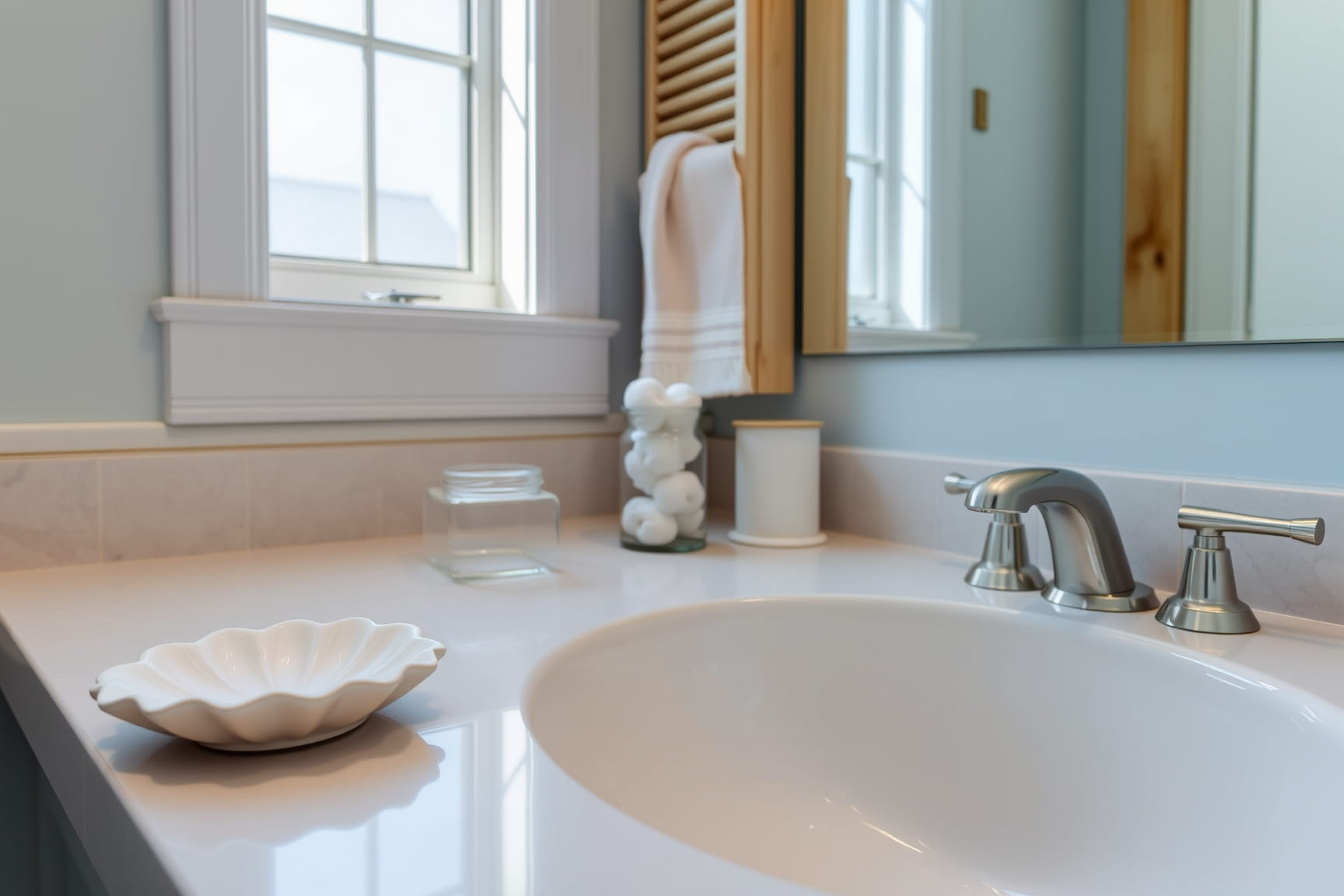
Bathroom clutter often hides in small containers, under sinks, and behind doors. This section simplifies one storage area so daily routines require fewer steps.
Choose one bathroom storage space: a drawer, a cabinet, or the area under the sink. Remove everything from that space and place it on the counter.
Group items by purpose: daily use, occasional use, and backup or overflow. Daily-use items earn priority placement closest to reach. Occasional items stay but move back or down.
Check expiration dates quickly. Toss anything expired, dried out, or clearly unused. Do not test products. If you haven’t used it recently, it is not essential to keep here.
Before returning items, reduce duplicates. One open product stays. Backups move to a separate backup spot or leave the bathroom entirely. Bathrooms function best with minimal volume.
Use shallow containers if needed, but avoid stacking. Items should lift out without moving others.
Return daily items first, then occasional items if space allows. If something does not fit easily, it does not stay.
Close the cabinet or drawer. If it opens smoothly and you can find what you need without shifting items, stop. This space is now stable.
Handling Storage Bins That Became Catch-Alls
Storage bins often start organized and end mixed. This section restores clarity to one bin without relabeling everything.
Select one bin only. Open it and empty it onto the floor nearby. Ignore other bins.
Group the contents by what actually belongs together, not by where it came from. This reveals whether the bin still has a single purpose. If it doesn’t, that’s the problem—not the bin.
Decide the bin’s job. One clear function only. Tools, seasonal items, cables, or craft supplies—but not a mix. Items that don’t match the job leave the bin immediately.
Return matching items, placing heavier ones at the bottom and frequently used ones on top. If the bin becomes full before all matching items are returned, stop. Excess items need a different container or to exit.
If the bin is now half-empty, that’s fine. Empty space is functional.
Label only if needed, using plain language. No detailed lists.
Close the bin and return it to its shelf or closet. If you can describe what’s inside without opening it, the bin is working.
Stop here. One functional bin prevents the spread of small-item clutter across the home.
Reducing Kitchen Tool Overload One Category at a Time
Kitchen drawers and cabinets accumulate tools that solve rare problems. This section reduces one tool category without disrupting cooking routines.
Choose one category: spatulas, knives, gadgets, or baking tools. Remove only those items from their storage area.
Lay them out so duplicates are visible. Keep the versions you reach for automatically. Specialty tools used once a year do not belong in prime space.
Check condition. Bent, broken, or uncomfortable tools can leave immediately. Keep the amount that fits comfortably in the space without stacking.
Return daily tools first. Place them so handles face the same direction and can be lifted without tangling.
If space remains, return occasional tools. If not, store them elsewhere or let them go.
Do not reorganize the entire kitchen. Close the drawer or cabinet and test it by opening and removing one item.
If nothing catches or spills, stop. One reduced category improves kitchen flow more than a full reorganization done halfway.
Creating Bedroom Calm by Clearing One Nightstand Area
Bedroom clutter disrupts rest most when it crowds the area closest to the bed. This section clears one nightstand or bedside surface.
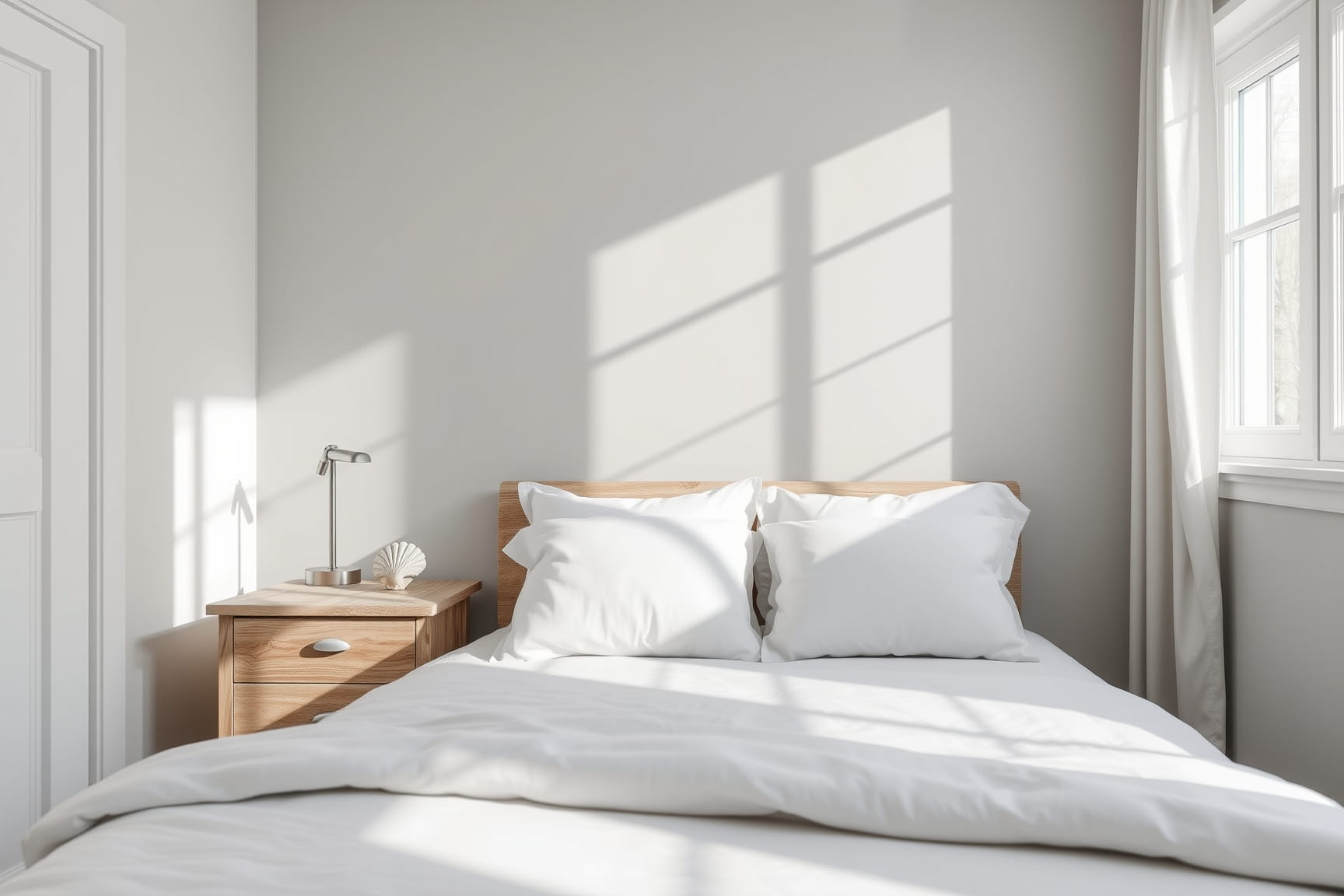
Remove everything from the surface and drawer beneath it. Place items on the bed temporarily.
Decide what truly belongs within arm’s reach: a lamp, a book, glasses, medication, a phone. Limit this list intentionally.
Return only those items. Use a small tray if needed to prevent spreading, but keep the footprint contained.
Everything else moves away from the bed. Reading stacks go to a shelf. Chargers go to a drawer. Random items leave the room.
If the drawer exists, use it for one category only, such as sleep-related items. Do not store unrelated objects here.
Wipe the surface and return the lamp last. The clear space matters.
Sit on the bed and look at the area. If it feels quiet and functional, stop.
This single cleared zone reduces visual noise without requiring the entire bedroom to be addressed.
Containing Laundry Areas So Clothes Don’t Migrate
Laundry clutter spreads when clean and dirty clothes share space. This section restores order to one laundry area without redesigning the system.
Focus on one spot: the top of the washer, a laundry chair, or a basket zone. Remove all items from that space and sort them immediately into three groups: dirty, clean, and “not actually laundry.”
Dirty clothes go straight into a hamper. If there is no room, that signals too many hampers or overfilled ones, not a sorting failure. Clean clothes get stacked neatly for folding or rehanging later, but only in one contained pile.
Items that are not laundry—papers, bags, tools—leave the area entirely. Laundry zones work only when their purpose is narrow.
Now return only what supports the process. A detergent container. A single empty basket. Nothing else.
If you have multiple baskets, assign one job to each: dirty, clean, or in-progress. Do not mix. Mixed baskets recreate clutter.
Clear the floor. Laundry should move through the room, not settle there.
Once the area supports washing and folding without obstacle, stop. You don’t need a perfect routine—just a space where clothes don’t stall indefinitely.
Managing Living Room Clutter Without Losing Comfort
Living rooms collect items because they are shared and visible. This section clears clutter while keeping the room usable.
Choose one living room surface: a coffee table, side table, or media console. Clear it completely.
Sort removed items into categories: entertainment, daily-use, and elsewhere items. Entertainment items include remotes, controllers, and current reading. Daily-use items might include glasses or chargers.
Return only what is used in that room, and only what fits comfortably. Use one tray or small container if needed, but avoid stacking.
Items that belong elsewhere leave immediately. Living rooms are not storage areas for work, mail, or personal projects.
If shelves are involved, reduce density. Shelves work best when items are not pressed together. Remove decorative items if needed to restore space.
Sit down and test the room. Can you set a drink down easily? Can you find the remote without moving items?
If yes, stop. A living room that supports rest and shared use does not need to display everything you own.
Clearing Entryways So They Don’t Refill Overnight
Entryways fail when they absorb everything coming in. This section resets one entry area so clutter stops spreading.
Clear the floor first. Shoes, bags, and loose items move out temporarily.
Decide what belongs in the entryway: shoes worn daily, keys, coats, and incoming mail. Everything else leaves.
Limit shoes to the number that fits in the designated space without stacking. Extra pairs move to a closet.
Assign one container for mail and one hook or shelf per person for personal items. More containers create confusion, not order.
Return only those items. Keep the floor clear.
Stand in the doorway and look at the space. If it feels passable and obvious where items go, stop.
Entryways work when they are simple, not when they store excess.
Reducing “Just-in-Case” Items Without Regret
Many homes hold items kept “just in case.” This section reduces that category without forcing hard decisions.
Choose one small area where these items live: a shelf, a bin, or a drawer.
Remove everything and group similar items. This often reveals duplicates.
Decide how much space this category is allowed. The container sets the limit.
Return the best-condition items first until the space is comfortably full. Stop when it reaches capacity.
Items that don’t fit can be donated or stored elsewhere if truly necessary, but not here.
Close the container. Knowing where your “just-in-case” items live reduces anxiety more than keeping unlimited extras.
Stop. You have contained uncertainty instead of letting it spread.
Stabilizing the Home by Choosing One Maintenance Habit
This section anchors the clutter free home by preventing immediate rebound.
Choose one daily or weekly reset habit tied to a physical space: clearing the kitchen counter at night, emptying the mail tray weekly, or resetting the entryway.
Write the habit down or state it clearly. One habit only.
Do not add more. Maintenance fails when it becomes complex.
Tie the habit to an existing routine, such as after dinner or before leaving the house.
If you miss a day, resume without catching up. The habit exists to stabilize, not to enforce perfection.
Once chosen, stop reading and implement only this habit.
A clutter free home is maintained through small, repeatable actions, not constant reorganization.