
Clutter Free Zone: A Practical, Room-by-Room Guide to Creating One Calm, Usable Space at a Time
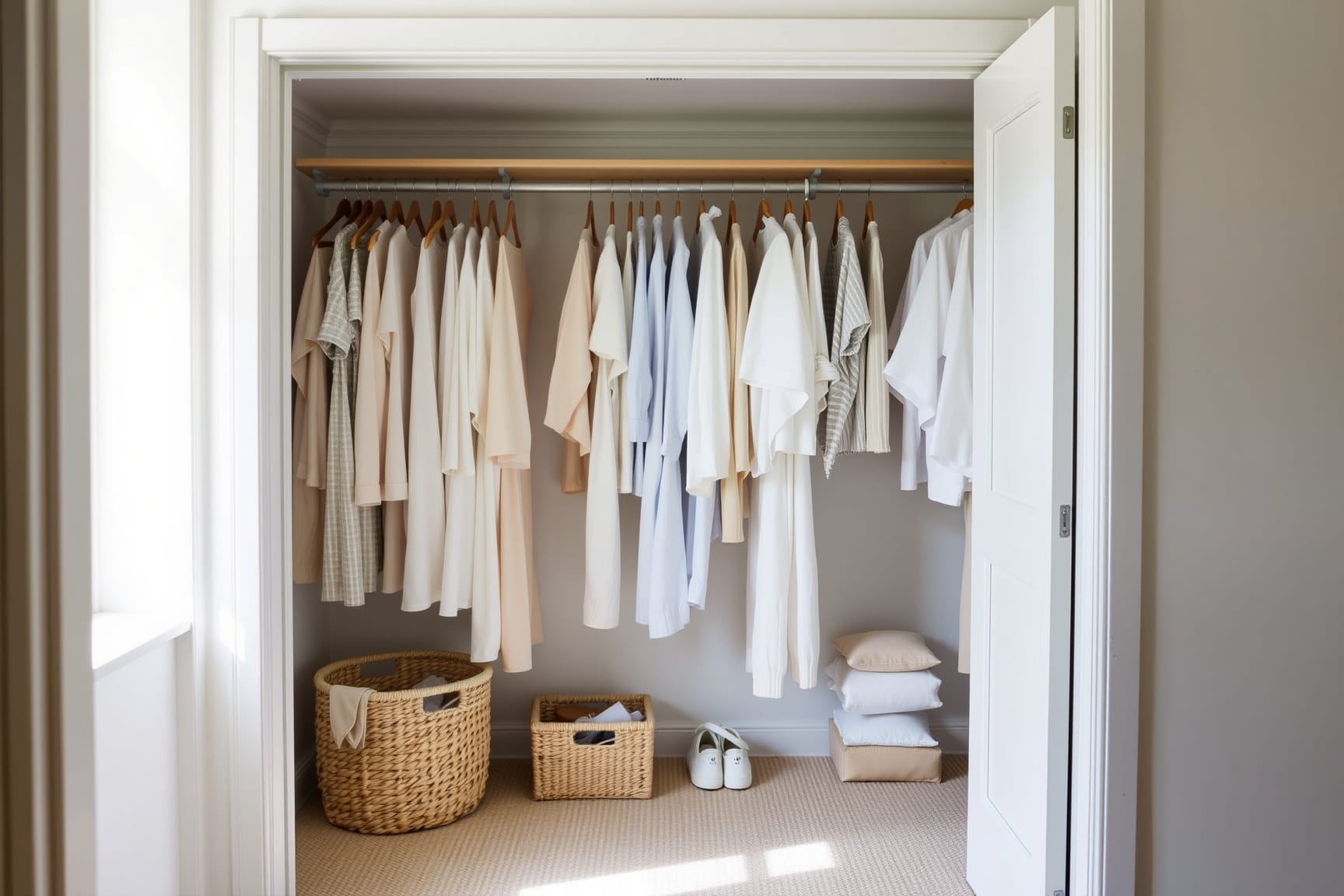
Kitchen counters with mail stacked near the coffee maker. A bedroom chair holding yesterday’s clothes. A desk where notebooks, chargers, and loose papers blur into one surface. This article is a practical guide to creating a clutter free zone inside a real, lived-in home—not a full-house overhaul, not a lifestyle reset, and not a minimalist conversion.
A clutter free zone is one defined surface or area that stays usable: a drawer, a counter section, a shelf, a nightstand. This guide explains how to set up those zones deliberately, using existing furniture, limited time, and realistic decision energy. It assumes shared spaces, mixed ownership of items, and hesitation about throwing things away.
What’s covered here is how to select a zone, decide what belongs there, and keep it from refilling. What’s not covered is whole-home decluttering, storage shopping, or sentimental sorting. Each section resolves one concrete decision so you can stop at any point without losing progress.
This is a step-by-step, how-to article. You’ll work with objects already in front of you—papers, containers, daily-use items—and define boundaries that make sense for how you actually move through your day.
You do not need to fix everything. You are setting up one area to function cleanly. That’s enough to start.
Choosing the Right First Zone Based on Friction, Not Importance
The best clutter free zone is not the most visible or impressive one. It’s the place where clutter causes the most daily friction. Look for a surface or container that interrupts a routine: a counter you can’t cook on, a drawer that won’t close, a table you always clear before using.
This section is about choosing—not cleaning—the zone. Walk through one room and identify a single physical boundary: one shelf, one drawer, one end of a counter. Avoid open-ended spaces like “the whole kitchen” or “the bedroom.” Size matters here. Smaller zones stabilize faster.
Pay attention to what lands there unintentionally. Keys dropped near the door. Papers placed “for now.” Clothes that aren’t dirty enough for laundry. These patterns point to zones that need structure, not motivation.
Once you’ve identified the zone, name it narrowly. “Left side of the desk.” “Top drawer only.” This naming is not symbolic—it limits decisions. You are not solving storage everywhere. You are solving it here.
Stop after choosing. Do not start sorting yet. Selection is a complete step on its own, and finishing it prevents scope creep. You can return later to act.
Clearing the Zone Without Creating a Bigger Mess Nearby
When you clear a clutter free zone, the goal is not to redistribute chaos across the room. Avoid the common move of dumping everything onto the floor or bed. That expands the task and raises the stakes.
Instead, remove items in two passes. First pass: take out anything that clearly belongs somewhere else—dishes to the sink, clothes to a hamper, trash to the bin. Do not decide where “somewhere else” is beyond that. You’re just returning obvious travelers.
Second pass: lift out what remains and place it directly next to the zone, not across the room. This keeps the physical footprint small. You should still see the empty surface or container you’re working with.
Wipe or shake out the zone if needed. This is not a deep clean. It’s a reset so the space feels complete when you’re done.
Pause here. An empty drawer or surface is a finished state. If you need to stop, you can. The zone is now neutral, which is better than overloaded.
Deciding What Earns a Place Back Inside the Zone
Only items that support the primary use of the zone go back in. If the zone is a desk drawer, think pens, not papers. If it’s a counter by the door, think keys, not unopened mail.
Handle items one at a time. Ask a single question: “Do I use this in this exact spot?” If the answer is no or “sometimes,” it does not return. It can wait nearby for a later decision.
Avoid organizing categories at this stage. You are not grouping; you are approving residency. Fewer items pass this test than expected, which is what creates breathing room.
If space remains, leave it empty. Empty space is not wasted space—it’s buffer. That buffer is what keeps the clutter free zone from immediately refilling.
Once items are placed back, stop adjusting. Perfection invites tinkering. Function is enough.
Setting One Boundary That Keeps the Zone Clear Tomorrow
A clutter free zone lasts only if one simple boundary is stated and enforced. This is not a rule list. It’s one sentence tied to the space.
Examples: “Only items used daily live here.” “Nothing gets set here without a home.” “This drawer closes without forcing.”
Say the boundary out loud or write it on a note inside the zone. This makes it concrete. When something new tries to enter, the decision is already made.
Do not create backup bins or overflow areas nearby. That weakens the boundary and pulls clutter back in.
This is a stopping point. The zone is defined, cleared, and protected. You do not need to expand to another area today.
How to Handle Items That Don’t Belong Anywhere Yet
Every clutter free zone attracts a few problem items: things you use occasionally, items you’re unsure about, or objects waiting on a future decision. The mistake is forcing those items to live in the zone “for now.” That’s how zones collapse.
Instead, remove these items entirely from the zone and place them in a clearly defined holding spot nearby—a basket, a folder, or a single bin. This is not permanent storage. It’s a pause container. Its purpose is to protect the zone, not to solve the item.
Limit this holding spot to one container only. When it fills, that’s your signal to process it—not to add another bin. This keeps indecision contained.
Do not label the holding spot with vague terms like “miscellaneous.” Use a functional label such as “needs decision” or “not used here.” The label reinforces that these items are unresolved, not settled.
Once the clutter free zone is protected from uncertain items, it stabilizes. You can walk away without feeling like you cheated the process.
Creating a Clutter Free Zone in Shared Spaces Without Negotiation Fatigue
Shared counters, tables, and shelves fail when they rely on constant agreement. A clutter free zone in a shared space needs a physical definition that does the negotiating for you.
Start by claiming a specific boundary that already exists: one side of a counter, one shelf, one drawer. Avoid open surfaces with no edges. Physical edges reduce debate.
Next, define the zone by use, not ownership. “This shelf is for mail that’s already been opened.” “This counter space stays clear for food prep.” Function is easier to respect than preference.
Do not reorganize other people’s items outside the zone. Simply remove anything inside the boundary that doesn’t match its purpose and place it just outside the edge. The contrast makes the boundary visible.
If needed, add a subtle cue: a tray, a mat, or an empty space that visually signals “this stays clear.” The goal is clarity, not enforcement.

Maintaining the Zone With a 60-Second Reset
A clutter free zone doesn’t stay clear by accident. It stays clear because it has a reset that takes less than a minute.
Choose a consistent moment: end of the day, after dinner, before bed. During that moment, do only three things. Remove anything that doesn’t belong. Return displaced items to their homes. Stop.
Do not clean, sort, or improve during this reset. Maintenance is not the time for upgrades. It’s about restoring the boundary to neutral.
If the reset takes longer than 60 seconds, the zone is too large or the rules are unclear. Shrink the zone or tighten what belongs there.
This short reset prevents buildup without turning maintenance into a project. The zone remains usable even on busy days.
When a Zone Starts Refilling and What to Adjust First
If a clutter free zone starts filling again, resist the urge to blame habits. The issue is usually structural.
First, check the boundary. Has it become vague? “A few things” quickly turns into many. Restate the rule clearly.
Second, check item volume. If every approved item fits only when perfectly arranged, the zone is overfilled. Remove one or two items permanently.
Third, check nearby storage. If related items live far away, they migrate back. Relocate their home closer, even if it’s not ideal.
Make only one adjustment at a time. Then pause. Stability returns through small corrections, not redesigns.
Expanding to a Second Zone Without Losing the First
Do not start a new clutter free zone until the first one holds for several days. Stability matters more than momentum.
When you do expand, repeat the same process from the beginning. Do not build systems that link zones together. Each zone stands alone.
Choose the next zone based on proximity. Adjacent areas benefit from visible success. A clear desk corner makes the next drawer easier.
Keep the zones independent. If one backslides, the other remains intact. This prevents the all-or-nothing collapse that stops progress.
At this point, you have more than a clean spot. You have proof that a defined space can stay clear without constant effort. That’s enough to continue later.
Using Containers Inside a Zone Without Turning It Into Storage
Containers inside a clutter free zone should limit items, not hide excess. A tray, divider, or small box is there to hold a fixed number of things, not to justify keeping more.
Choose containers that are slightly too small rather than generous. When a container fills easily, it signals that something needs to leave. This keeps decisions visible and timely.
Avoid stacking containers inside the zone. One layer only. Vertical stacking turns the zone into storage and slows daily use.
Place containers based on how your hand moves, not how it looks. Items used first go closest to the edge or front. Less-used items go farther back. This reduces shuffling and keeps the zone calm.
If a container starts holding unrelated items, remove it. The zone can exist without containers at all. Bare space is often more stable than subdivided space.
What to Do When Sentimental or “Just in Case” Items Invade the Zone
Clutter free zones fail when they become holding areas for emotional decisions. Sentimental items and “just in case” objects do not belong in daily-use spaces.
When one appears in the zone, remove it immediately without deciding its fate. Place it in a separate container labeled clearly for later review. This protects the zone without forcing an emotional decision mid-task.
Do not argue with yourself about future usefulness in this moment. The zone is not the place for that conversation.
If the same sentimental item keeps returning, it’s a sign it needs a defined home elsewhere—or a scheduled decision time. Until then, it stays out.
Separating daily function from emotional storage is what keeps zones usable long term.
Adjusting a Zone for Changing Routines Without Starting Over
Routines change. A clutter free zone can adapt without being rebuilt.
If an item is no longer used daily, remove it. If a new item becomes essential, add it—but only if space allows without crowding.
Do not redesign the zone seasonally. Make small swaps instead. One item in, one item out.
If the purpose of the zone changes entirely, clear it completely and redefine it from scratch. Partial adjustments won’t hold if the function has shifted.
These controlled changes keep the zone relevant without reopening every decision.
Preventing “Temporary” Drops From Becoming Permanent Clutter
Most clutter enters zones temporarily: something set down while distracted. The fix is not more discipline—it’s a defined drop spot elsewhere.
Create one intentional landing area nearby for truly temporary items. This could be a small basket or tray outside the zone boundary.
When something lands in the clutter free zone by mistake, move it immediately to that landing area. This trains the behavior without effort.
Do not clear the landing area constantly. Its purpose is to absorb overflow so the zone stays intact. Process it when full.
This separation keeps temporary behavior from eroding permanent function.
Letting a Zone Be Enough Without Expanding the Goal
A clutter free zone does not need to grow into a system. It can exist on its own.
Resist the urge to standardize every area or replicate the setup everywhere. That pressure often leads to burnout and backsliding.
One stable zone already reduces daily friction. Two is helpful. More is optional.
If you stop here, nothing breaks. The zone continues to function without additional effort.
This approach allows progress without escalation. The space works. You can leave it at that.