
Extreme Minimalism Downsides: Practical Costs That Show Up in Real Homes
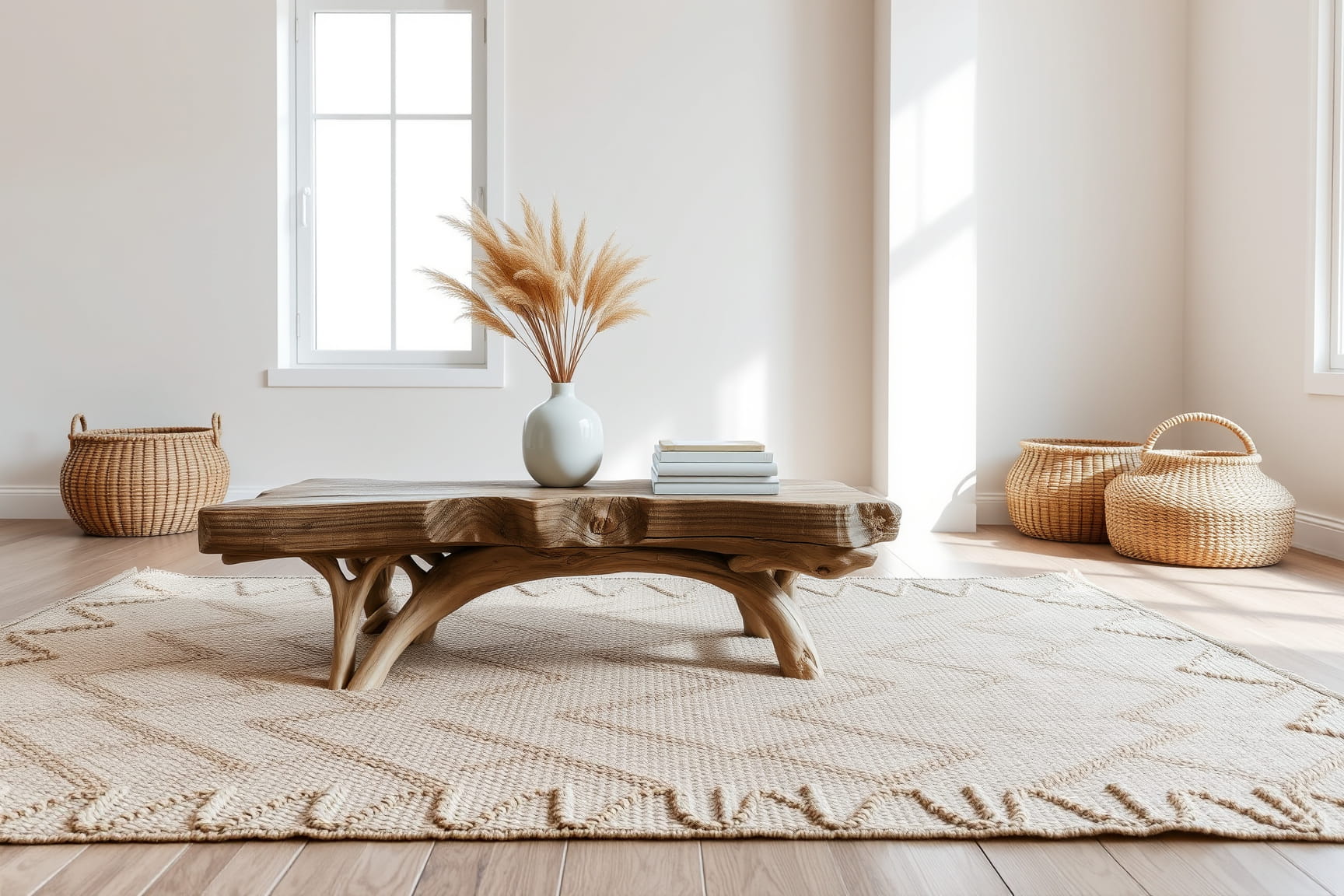
Extreme minimalism often looks clean on screens, but its downsides usually surface in specific places: half-empty kitchen cabinets, one-plate households, a single jacket by the door, a bare desk with no backup supplies. This article is a practical examination of the downsides of extreme minimalism as they show up in daily household use. It is not a philosophy critique and not a lifestyle manifesto. It is a grounded, real-world explanation of what can go wrong when possessions are reduced past functional need.
The scope here is narrow by design. This covers physical and logistical drawbacks inside homes, shared spaces, and routines—especially for adults managing limited time, shared households, and decision fatigue. It does not cover moderate minimalism, mindful decluttering, or intentional downsizing. It also does not argue for more stuff. It explains where extreme reduction can quietly create friction, cost, and stress over time.
Below are the first five sections, each addressing one concrete downside as it appears in real living spaces and daily decisions.
Reduced Redundancy Creates Daily Friction
In extreme minimalist homes, redundancy is often eliminated first. One plate, one cup, one towel per person. One pan in the cabinet. One set of sheets in the closet. On paper, this sounds efficient. In practice, it pushes everyday friction into routine tasks.
A single plate means the sink must be cleared before the next meal. One towel means laundry timing becomes non-negotiable. One pan means cooking steps cannot overlap. These aren’t catastrophic problems, but they require constant task sequencing. Meals, cleaning, and rest become interdependent in ways that increase mental load.
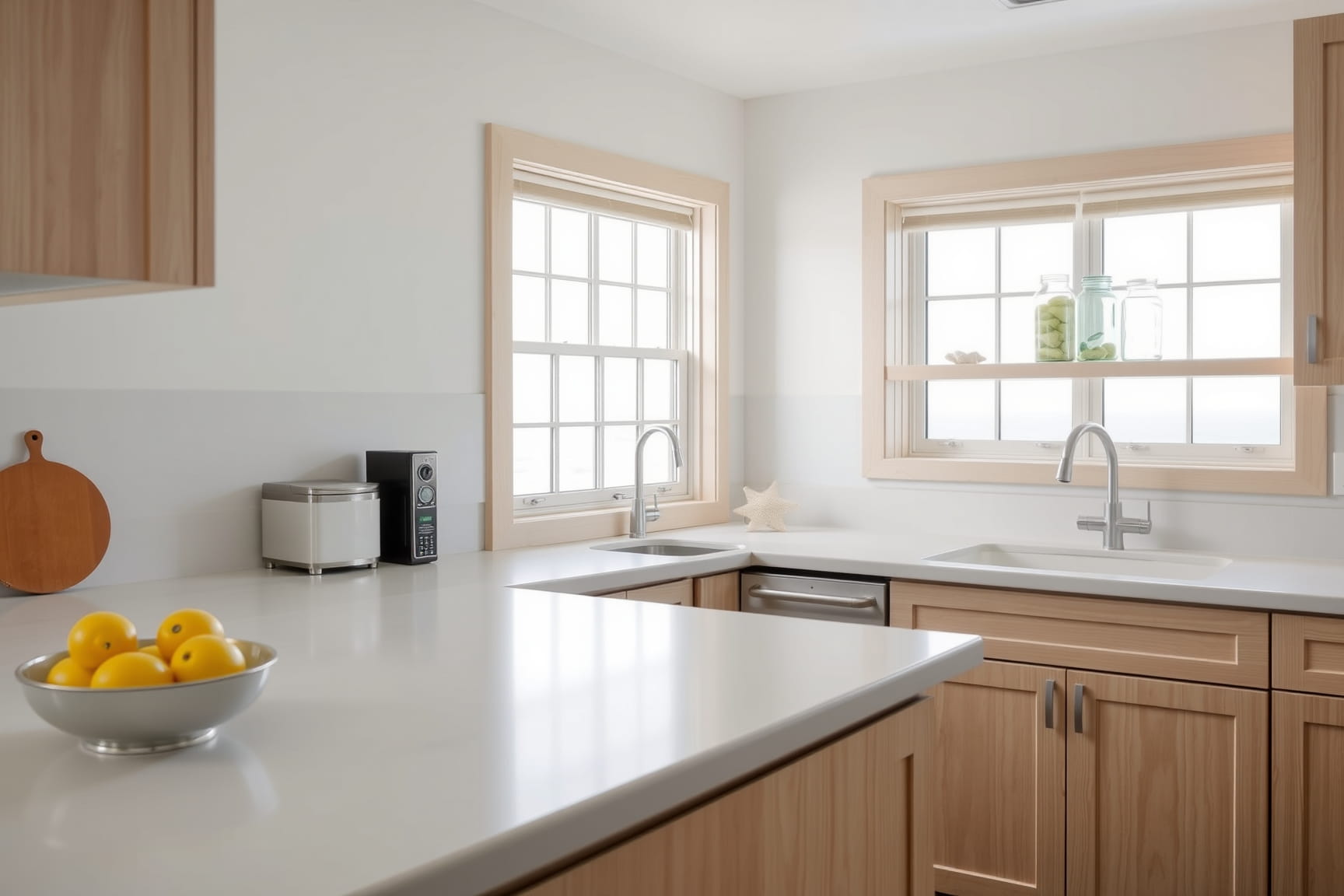
This friction is most visible in kitchens and bathrooms. A bare counter looks calm, but it demands continuous upkeep. There is no buffer for being tired, distracted, or interrupted. When redundancy disappears, every item becomes critical path infrastructure.
For people with limited time, this creates pressure rather than simplicity. Miss one step—forget to wash the towel, delay the dishes—and the system stalls. The home works only when attention is perfect.
Extreme minimalism often assumes ideal conditions: consistent energy, uninterrupted schedules, and solo use. Real households rarely meet those conditions. Redundancy is not clutter by default; it is a shock absorber. Removing it entirely transfers effort from storage to daily labor.
Over-Optimization Increases Decision Fatigue
Minimalist setups frequently rely on multi-use items: one jacket for all seasons, one bag for all outings, one notebook for every purpose. The idea is to simplify choices by reducing options. In extreme cases, the opposite happens.
When each item must perform multiple roles, the decision burden increases. Should the jacket be washed now or saved for tomorrow? Can the bag handle groceries and work supplies today? Is this notebook for planning or reference? Every choice carries higher stakes because there is no alternative on hand.
This shows up clearly in closets and workspaces. A capsule wardrobe with no margin requires constant forecasting. Weather, activities, and laundry cycles must be mentally simulated in advance. A single-tool desk requires careful sequencing of tasks to avoid blocking work.
Instead of choosing between items, the minimalist must choose timing. That cognitive load is often heavier than simply grabbing a backup.
Decision fatigue accumulates quietly. It doesn’t feel dramatic; it feels like low-grade friction throughout the day. Extreme minimalism removes visible clutter but often increases invisible mental management. The home looks simpler, but the user works harder to keep it functioning smoothly.
Extreme Minimalism Breaks Down in Shared Homes
Shared kitchens, shared closets, shared bathrooms, and shared storage expose one of the biggest downsides of extreme minimalism. Systems built for one person rarely scale.
One set of dishes might work for a solo resident. Add a partner, child, or roommate, and the margin disappears. Someone is always waiting on someone else’s item. Laundry timing conflicts multiply. Storage rules become rigid to avoid breakdown.
In shared homes, extreme minimalism often turns into enforcement. Items must be returned immediately. Usage rules must be followed precisely. Deviations cause visible system failure. This creates tension not because people are messy, but because the system has no slack.
Closets with exact item counts, kitchens with minimal backups, and bathrooms with one-for-one supplies require unanimous buy-in. Without it, the minimalist becomes the system manager, tracking usage and correcting behavior.
This dynamic can quietly strain relationships. The home stops being adaptive and starts being conditional. Extreme minimalism assumes behavioral consistency across all users. Most households operate on variability instead.
Replacement Costs Rise Over Time
Extreme minimalism often promises savings through owning less. Over time, replacement costs can increase, especially when durability and redundancy are sacrificed.
When there is only one of something, wear accelerates. Shoes, coats, cookware, electronics, and linens receive constant use with no rotation. Items reach failure faster. Emergency replacements are often rushed and more expensive.
This is common with kitchen tools, shoes, and bedding. A single knife dulls faster. One pair of shoes wears unevenly. One set of sheets degrades without rest cycles. The absence of backups removes the ability to delay purchases until optimal timing.
Minimalism can also lead to re-buying items that were removed too aggressively. Seasonal tools, hobby supplies, or situational items are often re-purchased later at higher cost. The cycle becomes discard, regret, replace.
Ownership volume decreases, but transaction frequency increases. Financially, this shifts costs from planned purchases to reactive ones. Extreme minimalism reduces inventory but can increase churn.
Lack of Buffer Increases Stress During Disruption
Extreme minimalist homes function best when routines run smoothly. Disruptions expose their limits quickly.
Illness, travel delays, weather changes, or unexpected guests all require buffer. Extra linens, spare groceries, backup clothing, and secondary tools absorb disruption. When those buffers are removed, stress spikes.
A single sick day can derail a tightly optimized home. Laundry backs up. Meals require more effort. Comfort items are missing. There is no cushion to absorb reduced capacity.
This downside appears most clearly in storage areas that look “too empty.” Closets with no extras. Pantries with exact counts. Utility drawers with only what is needed on a perfect day.
Extreme minimalism treats buffer as excess. Real life treats buffer as resilience. Without it, every disruption becomes a problem to solve rather than a situation to ride out.
The home stops supporting the person and starts demanding performance.
Emotional Neutrality Can Slip Into Emotional Flatness
Extreme minimalist homes often aim for visual calm: empty walls, cleared shelves, identical surfaces, no visible personal artifacts. Over time, this can flatten emotional cues inside the space. The downside shows up not as sadness, but as absence.
Photographs are stored away. Travel mementos are reduced to one token. Gifts are evaluated primarily on space cost. What remains is functional, but emotionally quiet. Rooms stop reflecting lived experience and start reflecting restraint.
This is most noticeable in living rooms, bedrooms, and entryways. These are spaces that typically carry memory objects—frames, books, handmade items, souvenirs. When these are removed or hidden entirely, the home loses narrative. It becomes harder to feel anchored to place.
Extreme minimalism often treats sentimental items as optional clutter rather than as emotional infrastructure. The result is a space that supports tasks but not reflection. There is nowhere for the eye to land and recall context: who lives here, what matters, where life has gone.
This doesn’t cause constant distress. It causes subtle disengagement. People report feeling less connected to their own space, less inclined to linger, less comforted during downtime. The home functions, but it doesn’t hold.
Moderation usually restores this balance. Extreme minimalism removes too much signal along with the noise. Emotional cues are not inefficiency; they are orientation tools. Without them, a home can feel interchangeable, even to the person living in it.
Hospitality Becomes Logistically Harder
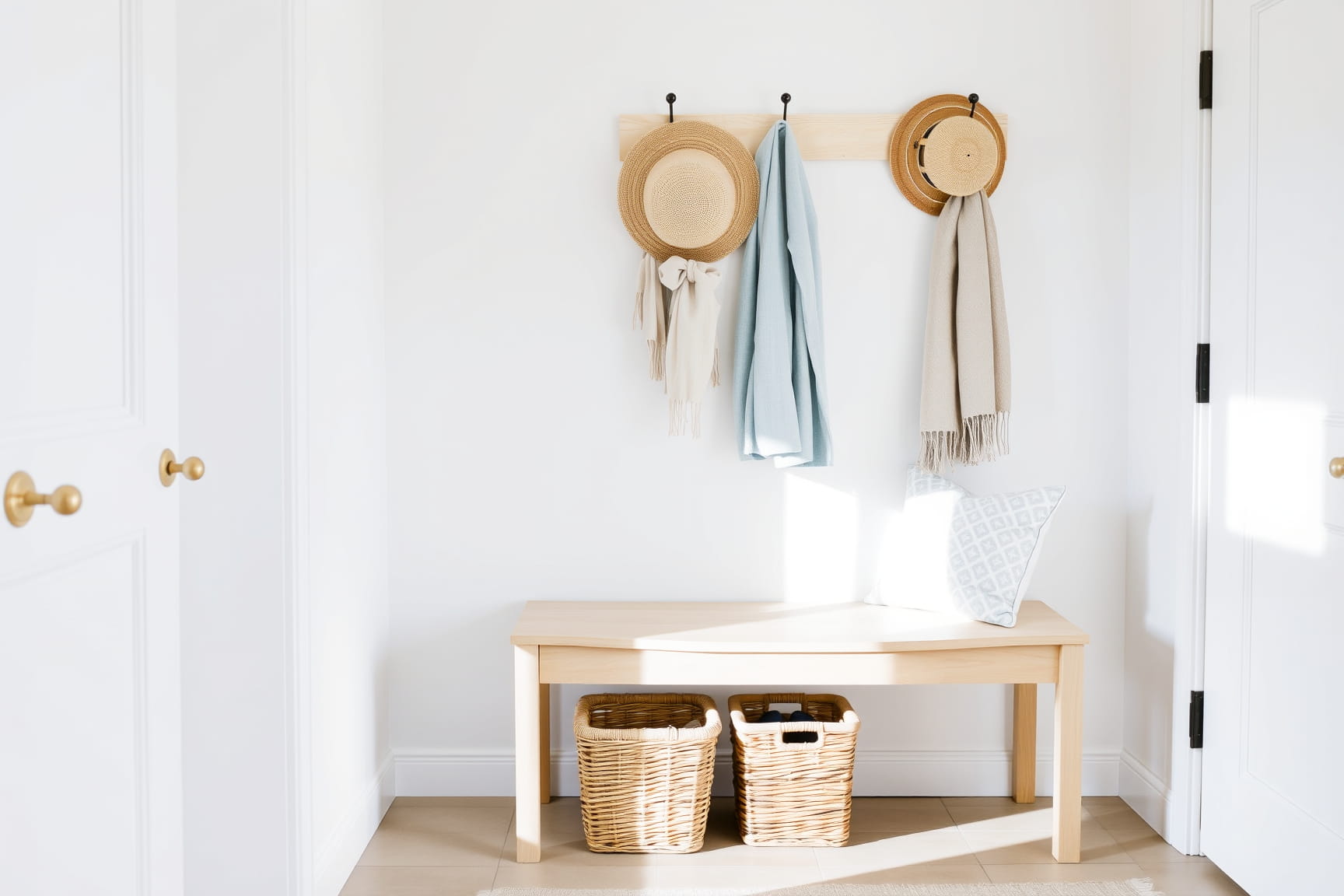
Extreme minimalism often breaks down when other people enter the space. Guests expose gaps that daily routines don’t. Extra chairs, spare bedding, additional dishes, and flexible food options are usually the first casualties of aggressive reduction.
A home optimized for exactly its occupants has no slack. When someone stays over, comfort relies on improvisation: borrowed pillows, makeshift beds, paper towels instead of napkins. Hosting becomes an exercise in workaround rather than ease.
This isn’t about entertaining at scale. Even one overnight guest stresses a tightly minimized setup. A single set of sheets means laundry must be done immediately. Limited cookware restricts shared meals. A sparse living area limits where people can sit without rearranging furniture.
Over time, this discourages hospitality altogether. Invitations are avoided because preparation feels heavy. The home becomes inward-facing by default. Extreme minimalism often assumes social life happens elsewhere.
The downside is subtle isolation. Not loneliness, but reduced spontaneity. Casual visits require planning. Help from others is harder to accept because there’s nowhere to put them comfortably.
Buffer items—extra plates, spare blankets, flexible seating—are not excess when viewed through hospitality. They are social infrastructure. Extreme minimalism removes that infrastructure in favor of visual control, trading relational ease for spatial purity.
Repairs and Maintenance Become More Disruptive
When a home contains only the bare minimum, maintenance tasks become more intrusive. There are fewer backups to cover downtime.
A broken appliance stops function entirely. A damaged tool halts a task until replacement arrives. A single cleaning supply running out means the job simply doesn’t get done. There is no overlap, no substitution.
This shows up clearly in utility spaces: kitchens, laundry areas, entry closets. One vacuum means cleaning stops if it fails. One light source per room makes bulb outages more noticeable. One charger per device creates bottlenecks.
Extreme minimalism assumes constant availability of replacements—stores, shipping, time. When those assumptions fail, inconvenience escalates quickly. Small failures feel larger because they affect the whole system.
Maintenance also becomes more urgent. Items can’t wait for repair because there is nothing else to use. This pushes repairs into crisis mode instead of planned upkeep.
Minimal redundancy spreads wear and risk across time. Extreme minimalism concentrates it. The home becomes brittle rather than resilient, requiring immediate action when anything breaks.
Creativity and Hobbies Are Constrained
Extreme minimalism often deprioritizes hobby supplies, tools, and materials. Anything not in daily use is labeled optional. The result is a home optimized for maintenance, not creation.
Creative activities usually need setup, storage, and variation. Art supplies, musical instruments, crafting tools, writing materials—these don’t compress well into one drawer. When space is limited, hobbies are either abandoned or externalized.
This shows up in spare rooms converted to empty zones, desks stripped to essentials, closets with no project overflow. The barrier to starting becomes higher. Supplies must be retrieved, reassembled, or re-purchased each time.
Over time, creative energy fades. Not because interest is gone, but because friction is too high. Extreme minimalism rewards passive consumption over active making because making is messy by nature.
Hobbies also create visible evidence of growth. Removing that evidence flattens the sense of progress. The home stops reflecting personal development and starts reflecting containment.
Moderate storage supports creativity. Extreme minimalism constrains it by design, prioritizing stillness over expression.
Children’s Needs Clash With Extreme Reduction
Homes with children expose the sharpest downsides of extreme minimalism. Kids require redundancy, flexibility, and visible access to tools for learning and play.
One-size systems fail quickly. Clothing needs backups. Toys rotate in and out of interest. School supplies multiply seasonally. Growth creates constant change. Extreme minimalism resists change by nature.
When belongings are tightly controlled, children’s autonomy shrinks. Items must be returned perfectly. Messes are discouraged because there’s nowhere for them to land. Exploration becomes a disruption rather than a goal.
This tension often shows up in shared spaces. Living rooms must stay pristine. Bedrooms must stay sparse. Creative play is pushed elsewhere or shortened. The home becomes something to preserve, not inhabit.
Parents carry the burden of constant curation—deciding what stays, what goes, and when. Decision fatigue increases instead of decreasing.
Children don’t need clutter, but they do need margin. Extreme minimalism removes margin, forcing growth into narrow channels. Over time, this creates friction between developmental needs and spatial rules.
Travel and Life Transitions Become Harder
Extreme minimalist homes are often inflexible during transitions. Travel, moves, job changes, and health shifts require temporary storage and overlap.
Packing becomes harder when everything in use is essential. There’s nothing to leave behind comfortably. Travel requires careful redistribution of scarce items rather than simple selection.
Life transitions also require holding patterns. Documents, equipment, temporary clothing, medical supplies—all need short-term space. Extreme minimalism has no staging areas. Everything must be immediately integrated or rejected.
This creates pressure to decide too quickly. Items are discarded before their role is clear. Replacements are bought later when the need resurfaces.
Closets, drawers, and storage areas function best when they can absorb uncertainty. Extreme minimalism removes that function. The home works only in stable conditions.
Transitions are not edge cases; they are normal life phases. A home that cannot accommodate them easily shifts stress onto the person. Extreme minimalism optimizes for stasis, not adaptation.