
Minimalist Home for Serenity: A Practical Guide to Clearing Rooms Without Creating More Work
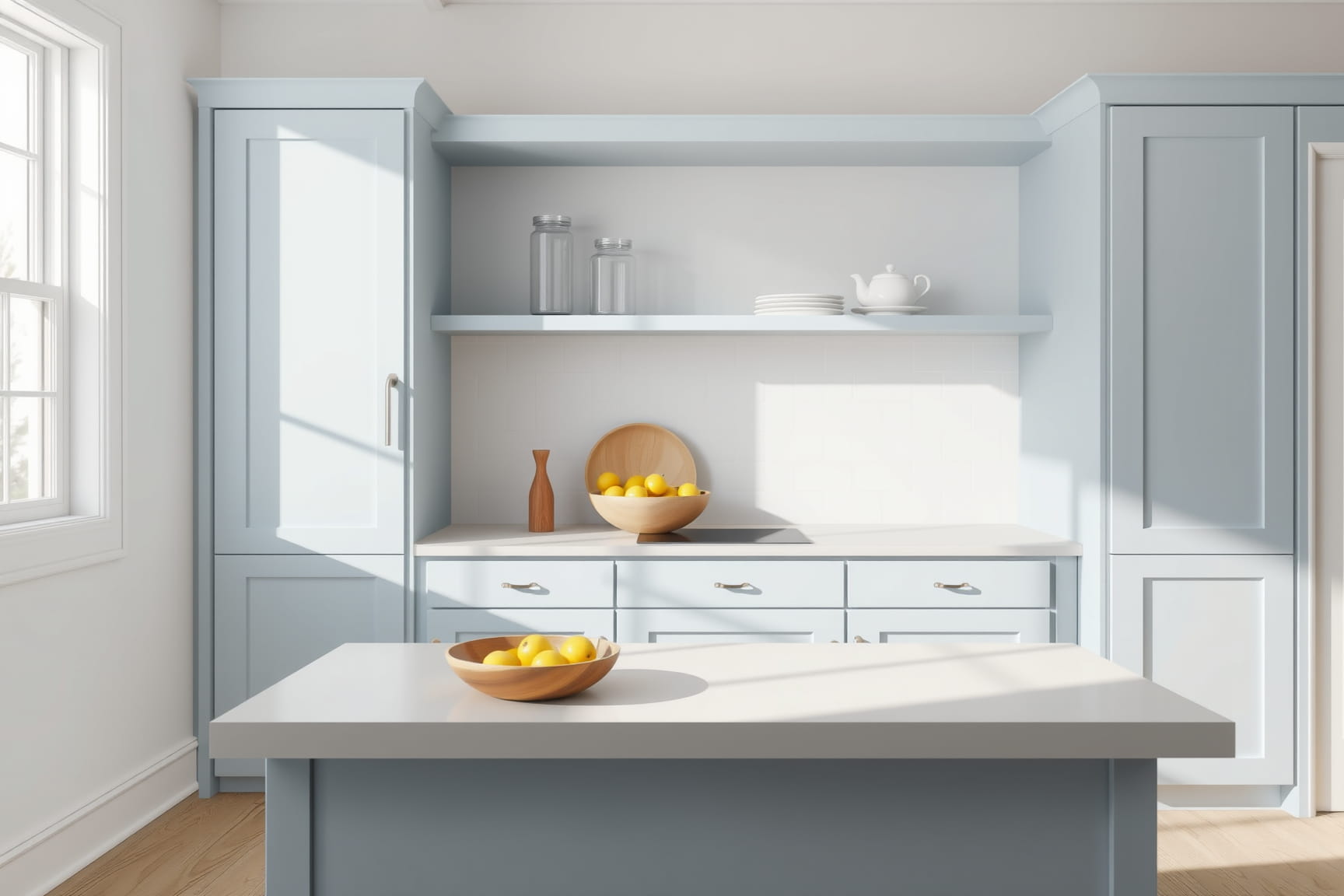
Kitchen counters covered with small appliances, entry tables holding mail piles, bathroom vanities crowded with bottles—this is a practical guide for creating a minimalist home for serenity by working with what is already visible and full. This is not a full-home overhaul. It focuses on clearing exposed surfaces first, using short, contained actions that reduce visual noise without requiring major decisions or hours of time.
Begin with one surface that is used daily. A counter. A table. A dresser top. Remove everything and place the items directly beside the surface, not in another room. This keeps the task bounded. Wipe the surface clean so the empty space is visible before anything goes back.
Return only what is used on that surface every day. A coffee maker goes back on the counter. A soap dispenser returns to the vanity. Items used weekly or less often do not return, even if they “belong” there. Place those items into a temporary holding bin or bag for later decisions.
Stop once the surface is functional and clear. You are not organizing cabinets or finding permanent homes yet. This step creates immediate calm by reducing what your eyes process every time you enter the room. That visible relief is the foundation of serenity in a minimalist home, and it is enough for now.
Reducing Furniture to Restore Physical Breathing Room
Living rooms crowded with side tables, bedrooms with extra chairs holding clothes, hallways narrowed by benches and baskets—this section addresses furniture, not decor. This is a how-to for creating serenity by removing physical obstacles that interrupt movement and sightlines.
Choose one room and stand at the doorway. Notice which pieces interrupt walking paths or block light. Identify one item that is rarely used: an extra chair, an accent table, a storage ottoman that holds forgotten items. You are not evaluating style or value. You are evaluating use and obstruction.
Remove that single piece from the room. Place it against a wall in another space or garage temporarily. Do not decide its final fate yet. Live with the room for a day or two without it.
Pay attention to how the room feels when walking through it. Fewer detours. Easier cleaning. More visible floor. This physical ease is a key component of a minimalist home for serenity.
If the room functions better without the piece, it stays out. If something is genuinely missed, it can return. This process avoids over-removal while still reducing bulk. One piece at a time is enough to change how a room feels and how calmly it is used.
Limiting Open Storage That Creates Visual Noise
Open shelving filled with mixed items, bookcases holding decor and paperwork, wall hooks overloaded with bags and coats—this section focuses on reducing visual clutter caused by exposed storage. This is a practical guide, not a styling exercise.
Choose one open storage area. A shelf. A rack. A set of hooks. Remove everything from it. This step is temporary and contained. Clean the surface so you start fresh.
Decide what category the storage will hold. Only one. For example: coats only, books only, or daily bags only. Mixed categories are the main reason open storage feels chaotic.
Return only items that match the chosen category and are used frequently. Leave space between items. Empty space is not wasted; it is what allows the eye to rest.
Anything that does not fit the category goes into a box for later sorting or moves to closed storage. Do not replace items with decorative fillers. The goal is reduced input, not replacement.
Stop when the shelf or hooks hold fewer items than before. This single adjustment lowers visual demand throughout the room. In a minimalist home for serenity, limiting what stays visible is more effective than reorganizing what is already overwhelming.
Creating Calm by Editing What Lives on the Floor
Shoes lining walls, laundry baskets in corners, storage bins tucked under tables—this section addresses floor-level clutter. This is a how-to for reclaiming calm by clearing what interrupts walking and cleaning.
Start with one room and scan the floor. Identify items that do not need to be there permanently. Shoes, bags, bins, toys, folded laundry. Gather them into a single pile or basket.
Return only what must stay on the floor for function, such as a trash can or pet bowl. Everything else gets lifted. Shoes go into a closet or basket. Bags hang on a hook. Laundry moves to a single designated container.
If there is no clear home, use a temporary bin placed out of sight. The goal is not perfect storage but an open floor.
Once the floor is clear, vacuum or sweep. This reinforces the change physically and visually.
Stop there. Do not move on to closets or cabinets. A clear floor increases ease of movement and reduces subconscious tension. In a minimalist home for serenity, open floor space creates a sense of order without requiring minimal belongings. One room with a clear floor is a complete and sufficient win.
Simplifying Rooms by Limiting Each One’s Purpose
Rooms that try to do everything—bedrooms with office equipment, dining rooms used for storage, living rooms holding workout gear—often feel restless. This section is a practical guide to restoring calm by clarifying function.
Choose one room and write down its primary use. Sleeping. Eating. Relaxing. Working. Only one. This does not remove flexibility; it sets a priority.
Walk through the room and identify items that support a different purpose. For example, paperwork in a bedroom or hobby supplies in a dining room. Gather those items into a container.
Do not relocate them immediately. First, notice how the room looks with fewer mixed signals. Clearer purpose reduces visual and mental friction.
Decide where the container will live temporarily. Another room. A closet. A shelf. You are not solving the entire house, only this room’s identity.
Return only items that support the primary function. Leave open space where possible.
Stop once the room clearly reflects its main use. This clarity supports serenity by reducing decision fatigue every time the room is entered. A minimalist home for serenity is built by rooms that know what they are for, even if the rest of the house is still in progress.
Managing Paper Without Turning It Into a Project
Mail stacks on counters, papers spread across desks, folders shoved into drawers—this section is a how-to for reducing paper without setting up a filing system. The goal is serenity through containment, not completion.
Choose one paper location. A kitchen counter pile. A desk corner. A basket by the door. Do not gather paper from the entire house. Keep the scope narrow.
Sort the paper into three physical piles only. Action needed. Reference. Discard. Do not create subcategories. Open each piece once and decide which pile it belongs in.
Discard obvious trash immediately. Junk mail, envelopes, expired notices. Put them straight into recycling so they do not linger.
Limit the action-needed pile to what can be handled in one short session, ideally under fifteen minutes. If the pile grows larger, stop sorting and place the remainder into a folder labeled “to review later.”
The reference pile goes into a single container: one folder, one binder, or one box. No alphabetizing. No labeling beyond the container name.
Once the original surface is clear, stop. Do not move into long-term archiving or digital scanning. A minimalist home for serenity does not require paper perfection—only that paper no longer spreads unchecked across visible spaces.
Editing Decorative Items to Let Rooms Rest
Shelves crowded with framed photos, surfaces layered with candles and objects, walls filled edge to edge—this section focuses on decor reduction as a physical task, not a design philosophy.
Choose one display area: a shelf, a mantel, or a tabletop. Remove every decorative item and place them together nearby.
Decide how many items the space will hold. Choose a fixed number before returning anything. For example, three items on a shelf or five on a mantel. Limits prevent overthinking.
Select items that vary in height or shape so they do not visually blur together. Return only those that fit comfortably with visible space around them.
Everything else goes into a box. Do not decide yet whether they will be donated, rotated, or stored. The box is a pause, not a failure.
Step back and look at the cleared area. Fewer objects allow each remaining piece to be seen without effort. This is where serenity appears—not from owning less, but from seeing less at once.
Stop after one surface. Avoid moving to another room. In a minimalist home for serenity, editing decor is about giving the eye a place to rest, not stripping personality from the space.
Containing Daily Use Items That Drift Everywhere
Keys on counters, bags on chairs, jackets on sofas—this section is a practical guide to stopping daily items from spreading across rooms.
Identify the three items that are most often left out. Common examples include keys, handbags, backpacks, or outerwear. Choose only what is used every day.
Designate one contained landing spot near the entry or main drop zone. A small basket, a hook rail, or a single shelf. Avoid multiple locations.
Place the container or hooks where the items naturally land now, not where they “should” go. Behavior matters more than aesthetics.
Move only the selected daily items into this spot. Do not add extras or backups. Overflow defeats the purpose.
Clear the previous drop zones. Remove stray items from counters and chairs and return them to the new landing area.
Once the space is functioning, stop. Do not redesign the entire entryway.
This small containment decision reduces visual clutter in multiple rooms at once. In a minimalist home for serenity, limiting where everyday items are allowed to live prevents constant low-level mess without adding more storage or rules.
Simplifying Storage by Leaving Space Unused
Closets packed edge to edge, cabinets filled to capacity, drawers that barely close—this section is a how-to for using empty space as a tool rather than a problem.
Choose one storage area. A drawer. A cabinet shelf. A closet section. Remove everything from that single space.
Return items loosely, leaving at least twenty percent of the space empty. Do not compress or stack tightly. Visibility is more important than volume.
If everything does not fit with space left over, remove the least-used items and place them into a box for later review.
Do not add organizers to compensate. The goal is not to store more efficiently but to store less densely.
Close the drawer or door and notice how it feels to open and close smoothly. That ease contributes directly to a sense of calm.
Stop after one storage area. You are not expected to repeat this everywhere.
A minimalist home for serenity benefits from storage that can breathe. Empty space acts as a buffer against future clutter and reduces the daily friction of accessing what you use.
Creating Quiet Zones by Removing Competing Items
Rooms often feel noisy because multiple activities compete for attention in the same visual field. This section focuses on creating a single quiet zone within a room.
Choose one small area: a chair, a bedside table, a section of the sofa, or a corner of the room.
Remove everything from that area except what supports one calming activity. For example, a lamp and a book by a chair, or a glass of water and a clock by the bed.
Relocate unrelated items immediately. Phones, paperwork, remotes, or random objects go elsewhere.
Leave the space intentionally simple. Do not refill it.
Use the area for its intended purpose for a few days. Notice how it feels to interact with a space that is not multitasking.
Do not replicate this throughout the house yet. One quiet zone is enough.
In a minimalist home for serenity, calm does not require every room to be minimal. It requires at least one place where the environment supports rest without distraction. That single zone can reset how the entire home feels.
Reducing Bedroom Clutter That Interrupts Rest
Nightstands crowded with chargers, books stacked on the floor, clothes draped over chairs—this section is a practical guide to simplifying the bedroom without turning it into a storage project. The focus is sleep support, not minimal design.
Start with the area closest to where you sleep: the nightstand or bedside surface. Remove everything and place the items on the bed temporarily. Wipe the surface clean.
Return only what is used at night. A lamp. A book. Glasses. A phone charger if needed. Limit this to three or four items maximum. If something is not used after the lights are off, it does not belong here.
Next, address the floor on one side of the bed. Shoes, bags, folded laundry, or random items should be lifted and placed into a single container. Do not sort them yet.
If a chair is being used as clothing storage, clear it completely. Decide whether the clothes are clean or dirty, then move them accordingly. The chair either returns to being used or becomes temporarily empty.
Stop once the immediate sleep zone is clear. Do not move into closets or under-bed storage.
In a minimalist home for serenity, the bedroom works best when visual input is reduced at eye level and near the bed. This small boundary protects rest without requiring a full bedroom reset.
Simplifying the Bathroom Without Removing Essentials
Bathroom counters lined with bottles, shower shelves overloaded, drawers packed with samples—this section is a how-to for reducing bathroom clutter while keeping daily routines intact.
Choose one bathroom surface. The counter or the shower ledge. Remove everything from that area and line items up on a towel.
Return only products used every day. Daily soap. Toothbrush. One moisturizer. One hair product. Extras, backups, and occasional-use items move into a bin or drawer temporarily.
Limit the surface to what fits comfortably without touching. Space between items matters more than perfect grouping.
Next, check the shower. Remove empty bottles and products you no longer use. Keep only what is currently in rotation. If multiple people share the space, give each person a defined section.
Do not reorganize cabinets or buy organizers. Closed storage decisions can wait.
Once the surfaces are clear, wipe them down. Clean surfaces reinforce the sense of reset.
Stop there. Avoid moving to makeup collections or linen closets.
A minimalist home for serenity does not mean a sparse bathroom. It means surfaces that feel easy to use and easy to clean. One simplified surface reduces morning friction immediately.
Managing Kitchen Tools That Create Drawer Jam
Utensil drawers that barely open, counters crowded with gadgets, cabinets hiding duplicates—this section focuses on kitchen tools, not food. It is a practical guide to restoring function without redoing the kitchen.
Choose one drawer or cabinet that is hard to use. Remove everything and place items on the counter.
Group similar tools together: stirring tools, cutting tools, measuring tools. Notice duplicates and items that serve the same purpose.
Select the tools you actually reach for. Return those first, placing them loosely so they can be seen and grabbed easily.
Limit the space so the drawer or cabinet closes smoothly without resistance. If items do not fit comfortably, remove the least-used tools and place them into a box.
Do not donate or discard yet unless something is broken. This step is about reducing friction, not forcing decisions.
Close the drawer or cabinet and test it. Open it several times. Ease of movement is the indicator of success.
Stop after one storage area. Do not move through the entire kitchen.
In a minimalist home for serenity, the kitchen supports calm when tools are easy to access and easy to put away. One functional drawer improves daily use more than a full reorganization.
Controlling Visual Input in Shared Living Spaces
Living rooms often collect items from every part of the house—toys, paperwork, electronics, blankets. This section is a how-to for reducing visual overload without eliminating shared use.
Choose one seating area: a sofa, a pair of chairs, or a coffee table zone. Clear everything from that area except essential furniture.
Decide what activities belong here. Watching television. Talking. Reading. Choose one or two.
Return only items that support those activities. A remote. One blanket. A book. Limit the number intentionally.
Create one container nearby for items that drift in. A basket or tray works well. This is a holding zone, not permanent storage.
Clear the surrounding surfaces. Side tables and coffee tables should hold fewer items than before, even if not empty.
Leave the rest of the room untouched. This keeps the task contained.
Use the space as usual for a few days. Notice how fewer visible items reduce background stress, even when the room is active.
A minimalist home for serenity allows shared spaces to feel calm without demanding constant tidying. Reducing what stays visible in one zone is enough to change the room’s tone.
Maintaining Calm by Setting Gentle Limits, Not Rules
Clutter often returns when there are no clear limits. This section focuses on maintaining serenity through simple physical boundaries rather than strict habits.
Choose one category that tends to spread. Shoes. Mugs. Throw blankets. Pick something visible.
Assign it a single container or limit. One basket for shoes. One shelf for mugs. One bin for blankets. The size of the container is the limit.
Remove extras until the container holds the items comfortably. Anything that does not fit gets stored elsewhere or placed into a holding box.
Do not label, track, or monitor. The container does the work.
When new items come in, something else leaves the container. This happens naturally when space is defined.
Apply this to only one category at a time. Do not systematize the whole house.
This approach maintains calm without constant decision-making. The home gently signals when enough is enough.
In a minimalist home for serenity, limits are physical and visible, not mental or moral. One clear boundary reduces ongoing clutter pressure and supports a steadier, quieter environment without added effort.