
Zero Waste Decluttering: A Practical, Low-Waste Way to Clear Drawers, Closets, and Surfaces Without Creating Trash
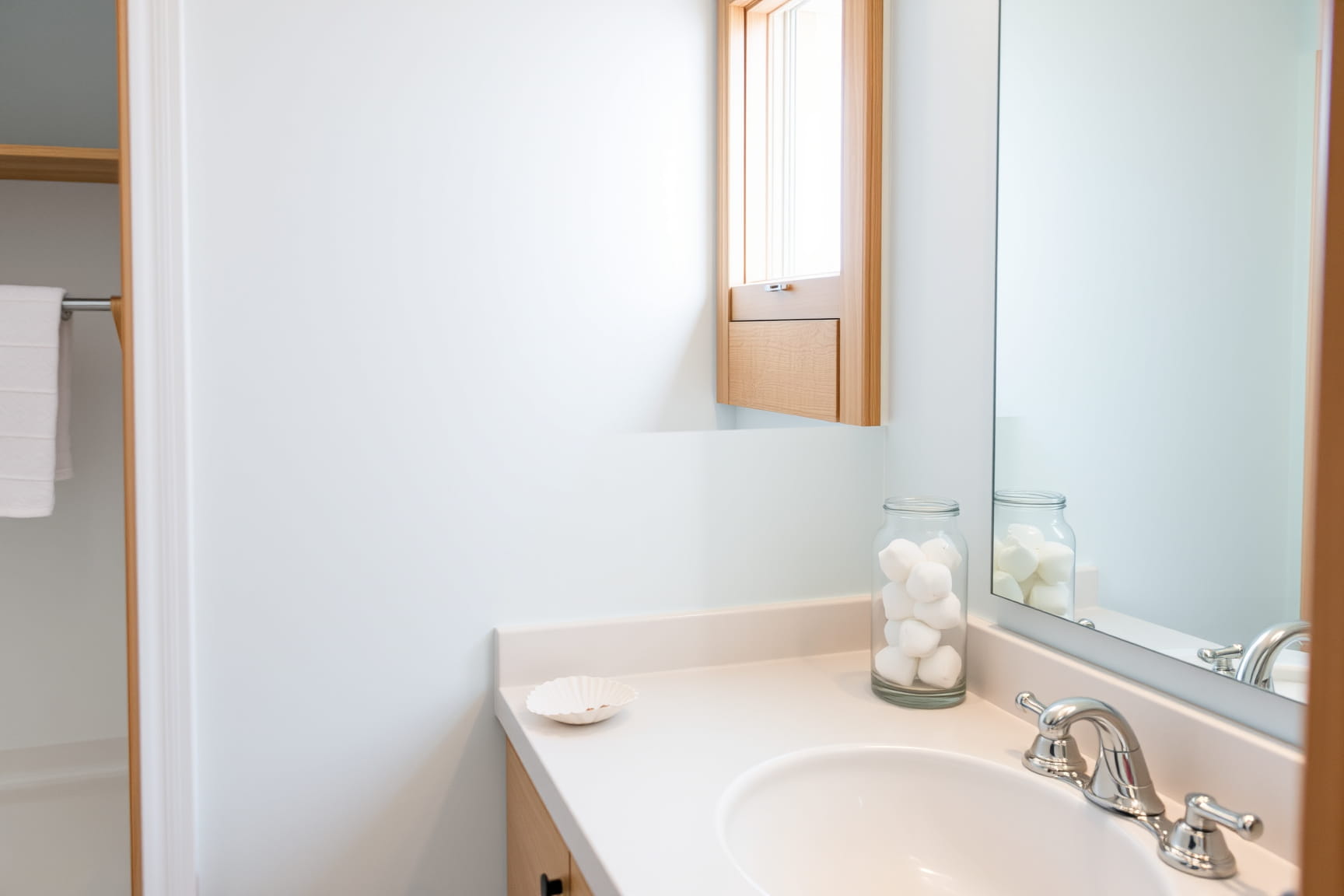
Kitchen drawers packed with duplicate utensils, hallway closets holding mixed bags and forgotten gear, bathroom cabinets crowded with half-used bottles—this is a practical guide for zero waste decluttering in real homes. This is a how-to article, not a mindset shift or lifestyle manifesto. It focuses on physical spaces, physical objects, and the specific decisions that keep clutter in place when throwing things away feels wrong or wasteful. The scope is contained: everyday household items, limited storage, shared spaces, and the desire to reduce trash while still making room. It does not cover minimalist living, off-grid systems, or full-home resets. The goal here is immediate relief through small, repeatable actions that prevent decluttering from turning into a garbage bag problem. You will move one drawer, one shelf, or one surface at a time, keeping useful items in circulation and waste to a minimum.
Zero Waste Decluttering Starts With What’s Already in the Drawer
Open a single drawer. Not a room. Not a category. One drawer with mixed items—pens, cords, tools, cosmetics, or utensils—is enough. Zero waste decluttering begins by working inside the existing container rather than emptying everything onto the floor. This keeps the scope tight and prevents the panic that leads to throwing things away just to be done.
Pull items out one at a time and place them directly on the nearby counter or table. As you touch each object, make only one decision: does this still belong in this drawer? Not “do I love it” or “will I use it someday,” but whether it earns space here, now. Items that clearly belong elsewhere go into a small relocation pile. Items that are broken or expired are set aside separately, not trashed yet.
This method reduces waste because it prevents over-purging. When everything stays visible and close, you’re less likely to discard usable items out of frustration. If the drawer fills back up before all items are returned, that’s your boundary. The container sets the limit, not an abstract rule. Anything that doesn’t fit becomes a candidate for reuse elsewhere, repair, or responsible disposal later—without urgency.
Separating Trash From “Not Right Now” Without Creating Piles
Zero waste decluttering often stalls when every unwanted item feels like a moral decision. To prevent that, you need clear, physical sorting zones. Use three small containers: a bag for true trash, a box for donation or reuse, and a bin for “decide later.” These containers stay small on purpose.
True trash is limited to items that cannot be used, repaired, donated, or recycled locally—broken plastic, expired products, or items missing essential parts. This category should stay small if you’re working within one drawer or shelf. The donation or reuse box is for items in good condition that you no longer need in your space. Keep it near the door so it doesn’t blend back into storage.
The “decide later” bin is critical. It prevents waste by allowing uncertainty without stopping progress. This bin has a size limit; when it’s full, you stop. No expanding. This keeps indecision from multiplying into clutter. Label the bin with today’s date so it doesn’t become permanent storage. You are not solving every disposal question now. You are containing them safely.
Using Containers You Already Own Instead of Buying Organizers
Buying organizers is one of the fastest ways zero waste decluttering turns into more stuff. Before purchasing anything, look for containers already in your home: shoeboxes, small bins, mugs, jars, or shallow trays. These items are often stored empty while drawers overflow.
Place these containers directly into the drawer or cabinet you’re working on. Let their size dictate what stays. For example, a small box can hold all charging cables that belong in a desk drawer. When it’s full, you stop adding. Extras move to relocation or donation, not a larger container.
This approach prevents waste by avoiding new plastic organizers and by forcing realistic limits. It also keeps storage flexible. If your needs change, the container can be reassigned without guilt. Mismatched containers are fine. Uniformity is not the goal; containment is. When items are grouped inside existing containers, drawers close easily, surfaces clear faster, and nothing new enters the house to solve a problem created by excess.
Zero Waste Decluttering in Shared Spaces Without Conflict
Shared spaces—kitchens, bathrooms, entryways—are where zero waste decluttering often fails. The mistake is trying to decide ownership and value at the same time. Instead, work by zone. Choose a single shelf, hook row, or cabinet section that is clearly communal.
Remove only what lives in that defined zone. Wipe the surface. Then return items that are actively used by more than one person. Duplicates stay visible for now. Do not secretly discard or donate shared items; that creates replacement buying later, which increases waste.
For personal items left in shared zones, use a small basket labeled with the person’s name. Place the items there and move the basket to a neutral handoff spot. This keeps clutter out of shared space without forcing disposal decisions. If the basket fills, that’s a clear signal for a later conversation, not a reason to throw things away.
This method reduces waste by preventing reactive purges and rebuying. It also keeps decluttering progress intact even when others aren’t ready to decide.
Stopping Points That Prevent Re-Cluttering and Over-Discarding
Zero waste decluttering works best when you stop early. A clean stopping point is when the container closes, the surface clears, or the drawer opens smoothly. That is enough for now. Do not push into adjacent areas just because momentum exists.
Before walking away, take one minute to remove the trash and relocate the donation box near the exit. This prevents sorted items from drifting back into storage. The “decide later” bin is placed somewhere visible but out of the working area.
By stopping at a defined physical improvement—one drawer, one shelf—you avoid fatigue and rushed decisions that lead to unnecessary disposal. Progress remains visible, and nothing needs to be redone tomorrow. Zero waste decluttering isn’t about finishing everything. It’s about making space without creating new problems, and knowing when to stop is part of the process.
Handling Sentimental Items Without Defaulting to the Trash
Greeting cards stacked in a drawer, souvenirs on a shelf, childhood artwork folded into a box—sentimental items are where zero waste decluttering usually freezes. The mistake is treating sentiment as a category instead of a condition. These objects don’t need special rules; they need smaller containers.
Choose one container that already exists—a shoebox, photo box, or shallow bin. This container is the limit. Empty sentimental items onto a surface and return only what fits comfortably. You are not deciding what memories matter. You are deciding how much space they get.
Items that don’t fit are not trash by default. Some can be photographed and recycled if paper-based. Others may belong with the person they’re connected to. If you hesitate, place them in the “decide later” bin with a date. The container boundary prevents endless reconsideration and prevents waste created by emotional overload.
This approach keeps you from throwing things away just to escape discomfort. It also keeps sentimental clutter from spreading into drawers and closets meant for daily use. The goal is containment, not erasure.
Zero Waste Decluttering for Clothing Without Mass Donation Dumps
Closets often look like the hardest place to declutter without waste, especially when donation bags multiply. Start with one clothing type in one zone—only short-sleeve shirts on one shelf, or only pants in one drawer. Leave everything else untouched.
Pull each item and check condition first. Stained, torn, or stretched pieces go into a separate pile for textile recycling or repair—not donation. This prevents waste shifting. For wearable items, return favorites first. When the shelf or rod fills, stop.
Anything left over becomes a candidate for rotation storage, hand-me-downs, or resale—not automatic donation. Keep these items visible and limited in a box near the closet, not buried. This reduces regret and rebuying, which creates more waste than keeping a few extras temporarily.
Zero waste decluttering in closets is slower by design. It prioritizes keeping useful clothing in circulation without flooding donation centers or sending textiles to landfills due to over-purging.
Managing Paper Clutter Without Shredding Everything
Mail piles, instruction manuals, old receipts, school papers—paper clutter triggers waste because shredding feels productive. Instead, work one stack at a time on a clear surface.
Create four piles: action papers, reference papers, recycle, and undecided. Action papers are limited to what you can handle in one week. Reference papers are reduced aggressively—manuals can often be accessed online, and many papers are kept out of habit, not need. Recycle immediately.
The undecided pile stays small and goes into a labeled folder or envelope with a date. This prevents shredding out of stress. When paper is handled calmly and in small batches, less of it gets destroyed unnecessarily, and important documents aren’t lost.
This method reduces waste by keeping paper decisions grounded in function, not fear.
Zero Waste Decluttering in the Kitchen Without Rebuying Later
Kitchen decluttering often creates waste through duplicate purges and later replacements. Start with one cabinet or one drawer—never the whole kitchen. Focus on tools and containers first, not food.
Remove items one by one. Return the ones you use weekly. Duplicates stay visible until the space fills. Extras are boxed for donation or shared with someone who needs them, not trashed. Containers without lids or mismatched pieces are evaluated for actual use before disposal.
Food items are left for a separate session. Mixing tasks increases rushed decisions. By keeping the scope narrow, you avoid throwing out functional items just to create space.
Zero waste decluttering in kitchens works when you respect how often items are used and resist the urge to create a “perfect” setup that leads to buying replacements.
Creating a Holding Pattern That Prevents Waste Creep
After several small decluttering sessions, loose items can accumulate in corners—donation bags, repair projects, reuse items. To prevent waste creep, establish one holding zone. This could be a shelf, bin, or corner of a room.
This zone has rules: it stays visible, it has a size limit, and it’s reviewed on a set schedule. Items that linger too long are reassessed calmly, not purged impulsively. This prevents clutter from migrating back into living spaces or being trashed out of frustration.
A holding pattern acknowledges that zero waste decluttering includes waiting. Not every item needs an immediate outcome. By containing unresolved items intentionally, you protect both your space and your values without creating new clutter or waste.
Zero Waste Decluttering for Bathrooms Without Tossing Half-Used Products
Bathroom cabinets tend to hide the most waste-prone clutter: half-used bottles, expired medications, backup toiletries bought “just in case.” Zero waste decluttering here starts with one shelf or one drawer only. Remove everything from that small zone and line items up on the counter so labels face forward.
Check dates first. Truly expired medications and unusable products are separated immediately for proper disposal later, not tossed in the trash on impulse. Next, group like items together—all face products, all hair products, all first-aid items. Return only what fits back into the original space comfortably.
Duplicates are not automatically waste. If you actively use two similar products, keep both until one is finished. If not, extras move to a holding bin for donation where appropriate or future use. This prevents the common cycle of discarding products and rebuying them months later.
Avoid buying drawer organizers at this stage. Small boxes or trays you already own can separate categories. When the drawer closes easily and you can see what you have, stop. The goal is access and containment, not perfection. This approach reduces waste by letting products be used fully before decisions are forced.
Handling Broken or “Almost Useful” Items Without Guilt
Broken gadgets, single socks, missing-lid containers, and items meant for repair often stall zero waste decluttering. These objects sit in drawers because throwing them away feels wrong. Instead of debating each one, create a small repair-and-parts box.
Limit this box by size. Everything inside must fit with the lid closed. Place items there without fixing them immediately. This acknowledges their potential value without letting them spread. If the box fills, you stop adding. Something must be repaired, repurposed, or responsibly discarded before anything new enters.
Set a realistic review point—monthly or quarterly. At that time, choose one or two items to act on. If repairs haven’t happened after multiple review cycles, that’s information, not failure. It allows you to let go without sudden guilt-driven purges.
This method prevents waste by respecting intent while still protecting space. It also prevents the slow accumulation of “almost useful” clutter that blocks drawers and shelves without ever becoming functional again.
Zero Waste Decluttering for Storage Areas and Closets
Basement shelves, hall closets, and utility rooms collect mixed items that feel too big to tackle. Zero waste decluttering here works best by shelf, not by category. Choose one shelf at eye level. Leave everything else untouched.
Remove items from that shelf only. Wipe it down. Then return items that clearly belong to that space—tools in the utility room, coats in the hall closet. Anything that doesn’t belong goes into a relocation box, not back onto another shelf.
Large storage areas create waste when items are discarded just to regain control. By limiting the scope to one shelf, decisions stay calm and specific. Containers already in use are adjusted rather than replaced. Empty bins are reassigned before anything new is bought.
Once the shelf holds only relevant items and nothing is stacked precariously, stop. Do not “just do one more.” Storage decluttering is successful when access improves without creating piles elsewhere. This shelf-by-shelf approach prevents both over-purging and storage creep.
Preventing Zero Waste Decluttering From Turning Into Reorganization Fatigue
Reorganizing endlessly creates waste through burnout and rebound clutter. To prevent this, zero waste decluttering relies on functional stopping rules. When an item has a clear home and can be retrieved without moving others, the task is done.
Avoid relabeling, color-coding, or fine-tuning layouts during decluttering sessions. These steps invite overthinking and unnecessary purchases. Instead, use simple groupings and plain containers until daily use proves adjustments are needed.
If you catch yourself moving the same item multiple times, that’s a signal to pause. Put it in the “decide later” bin and move on. Progress comes from resolved decisions, not perfect placement.
By respecting fatigue and stopping early, you reduce the chance of undoing work later or discarding items out of frustration. Zero waste decluttering succeeds when it leaves your space usable and your energy intact, not when everything looks finished.
Building Habits That Keep Waste From Returning to Cleared Spaces
Once a drawer or shelf is cleared, waste prevention depends on entry control. Decide what is allowed back into that space. This is a physical rule, not a promise. The container sets the limit.
Before new items enter, check if something similar already lives there. If the space is full, something must leave or relocate. This prevents slow accumulation without requiring constant decluttering sessions.
Keep donation and reuse pathways visible and easy. A small box near the door reduces the chance that unused items drift back into storage. Review holding zones regularly so stalled decisions don’t turn into permanent clutter.
These habits are small and physical, not aspirational. They protect the work you’ve already done without demanding ongoing effort. Zero waste decluttering holds when space limits are respected and decisions stay grounded in what your home can realistically hold.